
Sustainable activism is not the “be loud forever” version of activism.
It’s the long-haul version: showing up consistently, staying human, and not turning your nervous system into collateral damage.
If you’ve ever felt the swing between “I need to do something” and “I can’t look at the news anymore,” you’re not alone. Burnout is common—especially when people carry the weight of big issues while also trying to survive normal life.
This guide is practical and non-sensational: how to keep your activism constructive, nonviolent, and grounded—without disappearing or destroying yourself.
What sustainable activism actually means
Sustainable activism means:
- you choose actions you can repeat
- you protect your capacity (sleep, health, relationships)
- you practice nonviolent discipline (in words and actions)
- you stay connected to community (not just online outrage cycles)
It’s activism that doesn’t require you to be “on fire” every day.
Signs you might be burning out (or getting close)
Burnout doesn’t always show up as dramatic collapse. Sometimes it’s subtle:
- you feel numb or cynical
- you snap at people you love
- you can’t rest without guilt
- you doom-scroll and feel worse (but can’t stop)
- you start isolating because “nobody gets it”
- you feel like everything is urgent all the time
If you recognize yourself here, you’re not failing. You’re human.
7 practical practices for sustainable activism
1) Make your activism “small enough to do”
Pick one lane you can repeat:
- one weekly volunteer shift
- one monthly community meeting
- one ongoing mutual aid project
- one consistent writing/education practice
Big issues often require boring consistency. That’s not a flaw. That’s how change accumulates.
2) Build a news diet (yes, really)
You can care deeply and still be intentional about intake.
Try:
- checking news once or twice a day (not ten times)
- avoiding news right before sleep
- choosing one or two trusted sources instead of infinite feeds
You need your nervous system intact to keep showing up.
3) Choose community over solo heroics
If you’re doing everything alone, you’re more likely to burn out.
Community gives you:
- shared load
- shared grief
- shared laughter (underrated)
- accountability that isn’t self-punishment
4) Practice nonviolent communication (especially when you’re angry)
Anger can be morally appropriate. The question is what you do with it.
Nonviolent activism isn’t “be polite no matter what.” It’s:
- keep dignity in your language
- avoid dehumanizing people
- focus on values and actions, not humiliation
This keeps your activism aligned with the world you’re trying to build.
5) Put rest on your calendar like it matters (because it does)
Rest isn’t a reward for perfect activism. It’s fuel.
Protect:
- sleep
- movement (walks count)
- food
- time with people who make you feel human
6) Let yourself be imperfect and still show up
Perfectionism is a sneaky burnout engine.
Sustainable activism is built by people who:
- show up tired sometimes
- learn in public
- apologize when needed
- keep going anyway
7) Choose one “embodiment practice”
This is the spiritual side: activism that lives in your body, not just your opinions.
Embodiment can be:
- breathwork
- meditation
- prayer
- walking
- journaling
- time in nature
Not because it makes you “better.” Because it keeps you grounded.
Where clothing fits (without pretending it’s the work)
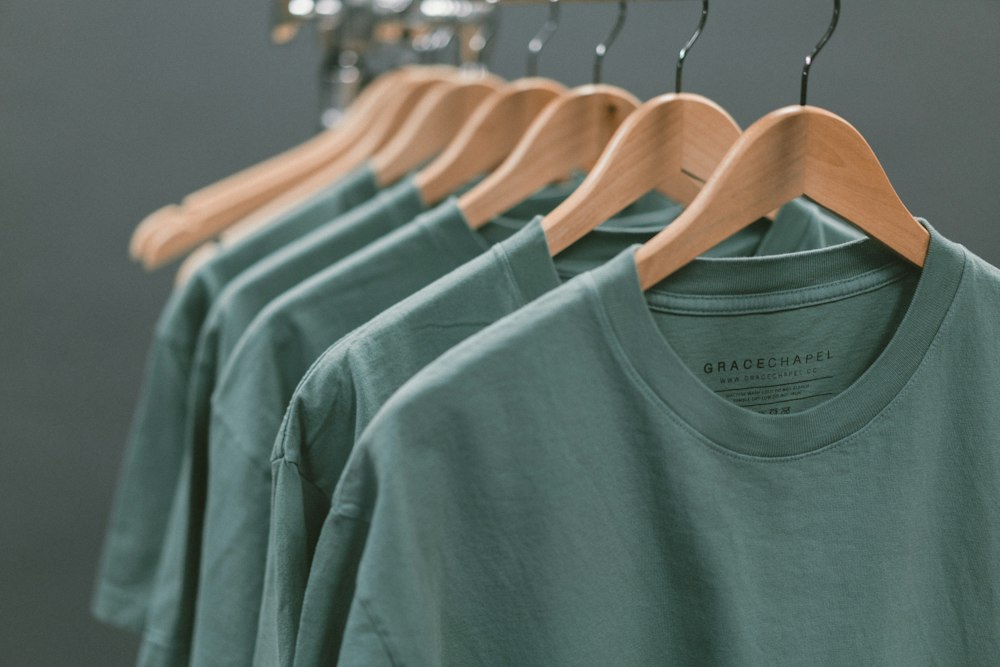
Clothing can be a reminder. A conversation starter. A signal of values.
But it’s not the work itself.
If you like values-led clothing, treat it as a cue:
- “I wear this to remember what I stand for.”
- “I wear this to show up for the work I’m doing.”
Then pair it with a real practice: volunteer, donate, show up, learn, build community, vote where relevant, care for people.
Choose a role you can sustain (instead of trying to be everything)
One quiet burnout trigger is trying to do every kind of activism at once.
Try choosing one role for a season:
- The builder: helps organize systems, logistics, and consistent routines.
- The caregiver: supports people directly (food, transport, mutual aid).
- The educator: reads, learns, writes, and shares grounded resources.
- The connector: introduces people, builds bridges, grows community.
- The supporter: contributes money/time in consistent ways, even if small.
Roles can change over time. The point is to stop treating activism like an all-or-nothing personality.
Conflict hygiene (because movements are made of humans)
Sustainable activism also means staying human with each other.
Practical habits that help:
- take breaks before you respond when you’re triggered
- talk to people directly (not through group chats and rumors)
- repair quickly when you mess up
- keep a sense of humor where it’s appropriate (not as avoidance, as relief)
Movements die when people burn each other out.
Quick FAQ
Is sustainable activism just “self care”?
No. It includes self care, but it also includes strategy: choosing actions you can repeat, building community, and staying disciplined about nonviolent principles.
What if I feel guilty resting?
Guilt is common. Try reframing: rest is part of your commitment to the long haul.
What if I’m already burned out?
Go smaller. Reconnect with one steady community action. Get support. If you need professional help, that can be part of sustainable activism too.
Continue exploring ConsciousBuzz
- Conscious activism hub: https://consciousbuzz.com/activism/
- Spiritual clothing hub: https://consciousbuzz.com/spiritual-clothing/
A grounded next step
Pick one action you can repeat weekly for the next month—and schedule it.
If you want a values-led, constructive activism starting point, see: https://consciousbuzz.com/activism/
A grounded way to use this guide
For Sustainable activism: how to keep showing up without burning out, the important test is whether the message still feels responsible when it leaves the screen and enters real life. A shirt, hoodie, tote, or hat can carry courage, but it should not turn someone else’s pain into decoration. Read the words out loud. Imagine explaining them to a stranger who disagrees with you, and to a person who has lived closer to the issue than you have. If the message still sounds humane in both conversations, it is already doing better than the loudest thing in the room.
A practical choice around activism apparel starts with one value you can stand behind without needing a dramatic speech: dignity, freedom, compassion, solidarity, truth, repair, or community. Then look at the design with that value in mind. Does it invite a conversation or merely demand attention? Does the image support the message, or does it make the issue feel like costume? The strongest activism clothing often has enough restraint to let the wearer be thoughtful. It gives courage a clean sentence, not a megaphone with laundry instructions. This keeps the guidance tied to “Sustainable activism: how to keep showing up without burning out” instead of drifting into a generic checklist.
The purchase decision should also stay honest. Print-on-demand can reduce overproduction and unsold inventory waste because items are made after demand exists, but it is not a universal environmental guarantee. Materials, print durability, packaging, shipping distance, and how often you wear the piece still matter. For Sustainable activism: how to keep showing up without burning out, that means the reader should look for clear product information and buy something they will actually repeat-wear. The most ethical garment in theory is less useful if it becomes closet decoration with sleeves.
One next step: choose one piece or message, then connect it to one action outside clothing. Read a reliable explainer, support a local group, share a constructive resource, check on someone affected, or practice speaking about the issue without turning people into enemies. Apparel can be a reminder. It cannot do the remembering for you, which is mildly inconvenient and also the whole point. This keeps the guidance tied to “Sustainable activism: how to keep showing up without burning out” instead of drifting into a generic checklist.
Reader checklist before you act
Use Sustainable activism: how to keep showing up without burning out as a small checklist, not a pressure campaign. First, ask whether the message or symbol is something you understand well enough to explain simply. Second, check whether the product details are specific enough to trust: material notes, fit guidance, print method where available, and care instructions. Third, imagine wearing the piece ten times, not once. Repeat wear is where meaning becomes part of daily life instead of a one-day mood.
For activism apparel, the best choice is usually the one that balances feeling and clarity. You want enough emotion to care, but enough restraint to avoid turning the item into a performance. If the message is spiritual, let it support practice. If the message is activist, let it support constructive public conscience. If the message tries to do everything at once, pause. Clothing has limited space, and so does the human nervous system. This keeps the guidance tied to “Sustainable activism: how to keep showing up without burning out” instead of drifting into a generic checklist.
A good final move is to pair the piece with one grounded habit. Wear it on a day when you want to remember your values, then do one related thing: read, reflect, volunteer, rest, repair, donate, learn, forgive, or speak with more care. That is how apparel becomes more than a graphic. It becomes a reminder attached to behaviour, and behaviour is where the real story lives. For this particular guide, the useful test is whether the reader can act on it this week. The point lands differently here because “Sustainable activism: how to keep showing up without burning out” is solving a more particular question.
Useful sources and local checks
Final thought
The best approach to sustainable activism is not to hunt for the perfect group. Start with one clear, beginner-friendly option, notice how it feels, and repeat the parts that make you want to come back. Real community usually begins with a small plan that is easy enough to do again.
Related guides