Spiritual festivals are funny.
On one hand: joy, music, movement, community, big feelings, tiny snacks, deep conversations at 2 a.m.
On the other hand: sunburn, dust, “why are my feet doing this?”, and the realization that your beautiful outfit is a terrible outfit if you can’t sit on the ground comfortably.
So if you’re searching for spiritual festival outfits (or “what to wear to a spiritual festival”), this guide is intentionally practical:
- comfort first
- respect second
- style third (still important, just not at the expense of your body)
Because the best festival outfit is the one that supports your day — not the one that survives a single photo.
Quick answer: what to wear to a spiritual festival
For most people, the safest formula is:
- breathable base layer
- comfortable bottoms (you can sit, dance, and walk)
- one warm layer (even in summer, nights can surprise you)
- shoes you can stand in for hours
- one “meaning piece” (symbol or message) if that feels right
And bring:
- sun protection
- a light rain/wind layer if weather is unpredictable
Comfort is not boring. Comfort is how you stay present.
Step 1: Check the “real life” conditions
Before you choose outfits, check:
- daytime temperature
- night temperature
- wind
- rain possibility
- terrain (grass, sand, dust, gravel)
Spiritual festivals often include:
- sitting on the ground
- moving between zones
- dancing
- workshops
- sometimes outdoor ceremonies
So your outfit needs to handle: movement + temperature swings + long hours.
Step 1.5: Decide your “festival day type”
Different festival days have different clothing needs. Pick the day type that matches your reality:
- Workshop day: lots of sitting, listening, maybe journaling
- Movement day: dancing, yoga, breathwork, long walks
- Ceremony day: shared space, respect, sometimes more modesty
- Weather day: wind, rain, dust, heat… a “just survive” vibe
If you dress for the actual day, you’ll enjoy the day more. Revolutionary.
Step 2: Choose comfort as a values practice (not a vibe kill)
Here’s the truth: If you’re uncomfortable, you’ll spend half the festival thinking about your waistband.
Beginner-friendly comfort rules:
- nothing that pinches your stomach when you sit
- nothing you have to “adjust” every five minutes
- layers you can add/remove without drama
- fabrics you can sweat in without panic
If your outfit supports your body, your mind gets to rest.
Step 3: Symbol and message choices (respect matters)
Spiritual festivals often bring together many traditions.
So it’s worth asking:
- Am I wearing this symbol because it’s meaningful to me — or because it looks cool?
- Do I understand the basics of what it represents?
- Am I wearing it respectfully in a shared community space?
You don’t need to be perfect. You do need to be honest.
If you’re unsure, you can choose:
- nature-based imagery
- simple geometry
- values statements (compassion, courage, freedom, peace)
Those can still feel deeply spiritual without borrowing from a tradition you don’t understand.
Outfit formulas that work (and don’t feel like costumes)
Formula 1: The “all-day comfort” kit
- tee or light top
- relaxed pants/shorts/skirt you can sit in
- hoodie or layer for evening
- comfortable shoes
Formula 2: The “movement day” kit
- breathable top
- bottoms that don’t restrict hips
- a layer you can tie around your waist
- hair tie / bandana (practical and cute)
Formula 3: The “ceremony + respect” kit
If you’ll be in ceremonies or sacred spaces:
- choose modesty that feels natural to you
- avoid anything that becomes distracting (too much adjusting, too revealing for the context)
Respect isn’t about shame. It’s about shared space.
How to layer like a calm person (even if you are not a calm person)
Festivals often have “hot day / cool night” energy.
Layering that works:
- base layer: tee or light top
- mid layer: hoodie, sweatshirt, or light jacket
- optional outer: wind/rain layer if weather is unpredictable
If you run cold, bring the layer early. If you run hot, bring a layer you can tie around your waist or stash easily.
The goal is not “fashion.” The goal is “I’m not miserable at 11 p.m.”
Shoes: the part everyone regrets ignoring
Choose shoes based on:
- walking between areas
- standing for long periods
- dancing
- terrain
If you’re unsure, pick comfort over aesthetics. Your feet are the real spiritual teachers when they’re unhappy.
Packing list (the calm version)
What people often forget:
- sunscreen
- water bottle
- light layer for night
- small towel
- wet wipes (not glamorous, incredibly effective)
- a small bag that leaves your hands free
Optional but lovely:
- a small journal
- a scarf/shawl (warmth, shade, “sit on it” utility)
A respectful note about photos and other people
Festivals can feel “public,” but people are often doing personal, emotional, or spiritual work.
Clothing tip that’s also a community tip:
- if you’re taking photos, be mindful of who’s in the background
- ask before photographing people in ceremonies or vulnerable moments
Respect is part of the vibe — and it makes the whole space feel safer.
Outfit examples (steal these)
Example 1: Warm day + cool night
- breathable tee
- relaxed pants/shorts/skirt
- hoodie for night
- comfortable shoes
Example 2: Movement-heavy day
- breathable top
- bottoms you can squat/sit in
- light layer for breaks
- hair tie / bandana
Example 3: Ceremony / circle space
- comfortable, modest-enough outfit for the context
- one meaning piece (symbol or values message) if it feels aligned
- a shawl/scarf (warmth + respect + comfort)
Example 4: Dusty/dirty outdoor festival
- darker colors
- shoes you can clean
- layers that can handle sitting on the ground
If you’re unsure, choose the outfit that supports your body. You’ll be happier in the photos anyway.
“Repeatable pieces” beat “one perfect outfit”
If you want a smarter festival wardrobe, pick 1–2 repeatable base pieces:
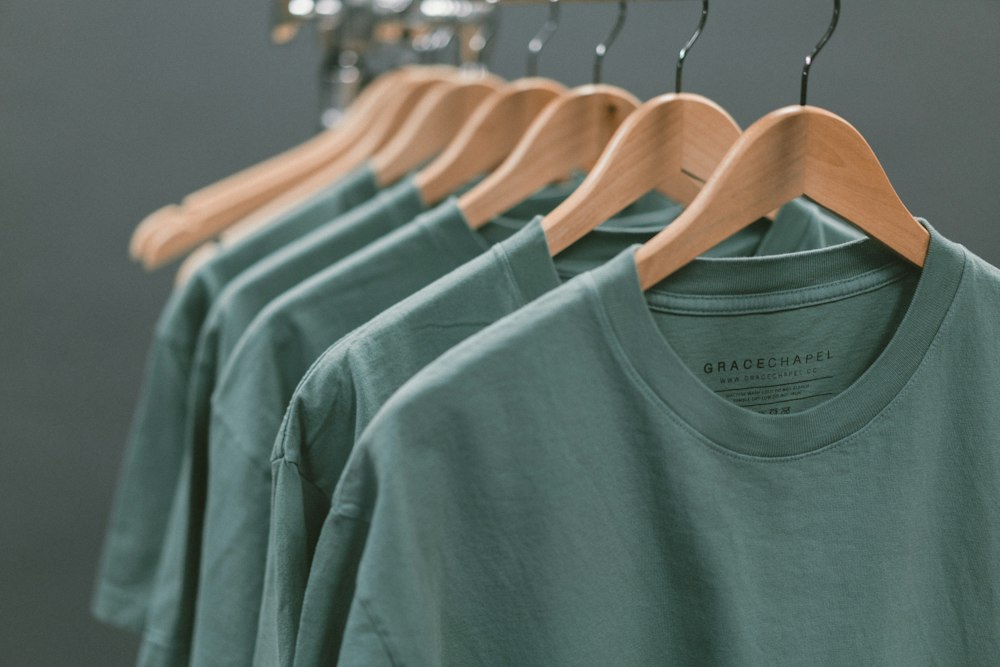
- a tee you can wear multiple days
- a hoodie/layer you’ll use every evening
Then rotate small things (accessories, scarves, a second bottom).
It’s calmer, cheaper, and you spend less time thinking about clothing — which frees you up for the whole reason you came.
If you’re camping, add one more rule: bring one “sleep warm” layer (even in summer). Cold nights are a universal festival surprise.
And if you hate carrying things: a small crossbody bag or waist bag can save your day. Hands-free is underrated when you’re holding water, snacks, and your own emotional growth. Also: pack a spare pair of socks.
Where ConsciousBuzz fits
Spiritual clothing is at its best when it supports real life: comfort, intention, and values — without trying to perform spirituality.
If you’re building festival outfits, a simple spiritual tee or hoodie can be a grounding “home base” piece you wear on repeat — especially when you pair it with comfortable basics.
FAQ
“Do I need special spiritual clothing for a festival?”
No.
The most respectful thing you can do is show up comfortable, present, and kind. Clothing is support — not a requirement.
“Is it okay to wear spiritual symbols if I’m not part of that tradition?”
It depends on the symbol and context.
If you’re unsure: choose values-based messages or more universal imagery. Respect is always in style.
“What if I want to look expressive without being uncomfortable?”
Choose one expressive element:
- color
- pattern
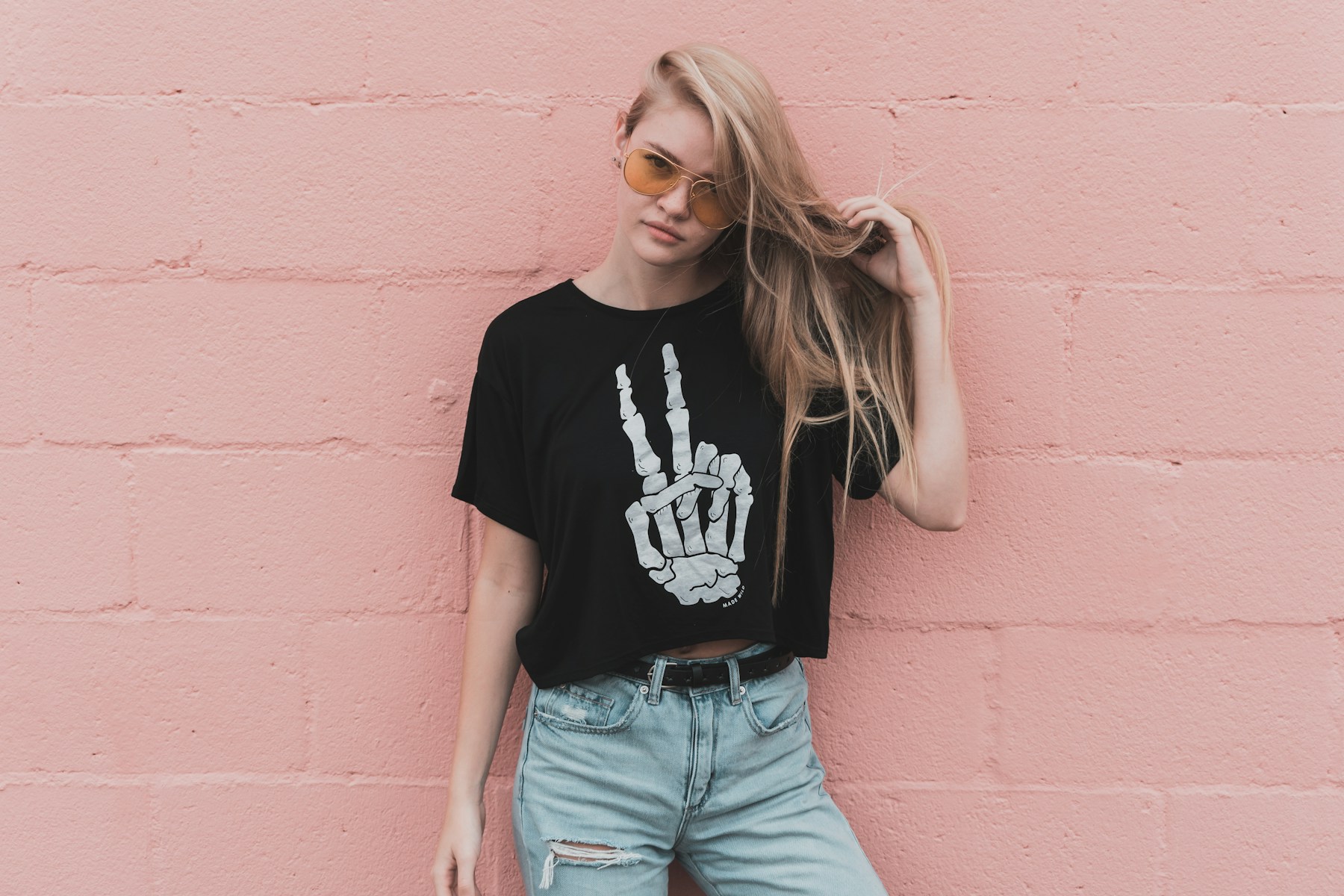
- a symbol tee
- a meaningful accessory
Then keep everything else simple and comfortable.
Continue exploring ConsciousBuzz
A grounded way to use this guide
For Spiritual clothing for festivals: what to wear for comfort, respect, and real life (not Instagram), start with meaning before mood. Spiritual clothing works best when it supports a practice you already care about: calm, gratitude, faith, courage, love, abundance, forgiveness, or simply the daily miracle of not replying to nonsense with extra nonsense. A symbol or phrase should feel like a reminder you can live with, not a costume you have to perform.
If you are choosing spiritual clothing, ask what the piece helps you remember. Does the wording steady you? Does the symbol mean something you understand? Does the colour, fit, and fabric suit the days you actually have, not the imaginary week where you meditate at dawn, drink perfect tea, and never misplace your keys? A useful spiritual garment belongs in normal life. It should survive errands, tired mornings, and the occasional existential wobble near the laundry basket. That is why “Spiritual clothing for festivals: what to wear for comfort, respect, and real life (not Instagra” needs practical texture, not just a pleasant idea.
The buying decision should also stay grounded. Print-on-demand can reduce overproduction and unsold inventory waste because products are made after demand exists, but it is not automatically an environmental guarantee. Materials, print durability, packaging, fulfilment, and repeat wear still matter. For Spiritual clothing for festivals: what to wear for comfort, respect, and real life (not Instagram), the better question is not whether a product sounds perfectly pure. The better question is whether the claim is clear, the message is respectful, and the piece is something you will wear enough for its meaning to become familiar.
One next step: choose one reminder you want close to your body this month. Maybe it is calm. Maybe it is courage. Maybe it is karma, because you are trying not to become the comment section. Pair that reminder with one small practice: breathe before reacting, walk without your phone, pray, journal, forgive slowly, or speak kindly while still having boundaries. The clothing is not the practice, but it can tap you on the shoulder when the day gets loud. That is why “Spiritual clothing for festivals: what to wear for comfort, respect, and real life (not Instagra” needs practical texture, not just a pleasant idea.
Final thought
The best approach to spiritual festival outfits is not to hunt for the perfect group. Start with one clear, beginner-friendly option, notice how it feels, and repeat the parts that make you want to come back. Real community usually begins with a small plan that is easy enough to do again.