
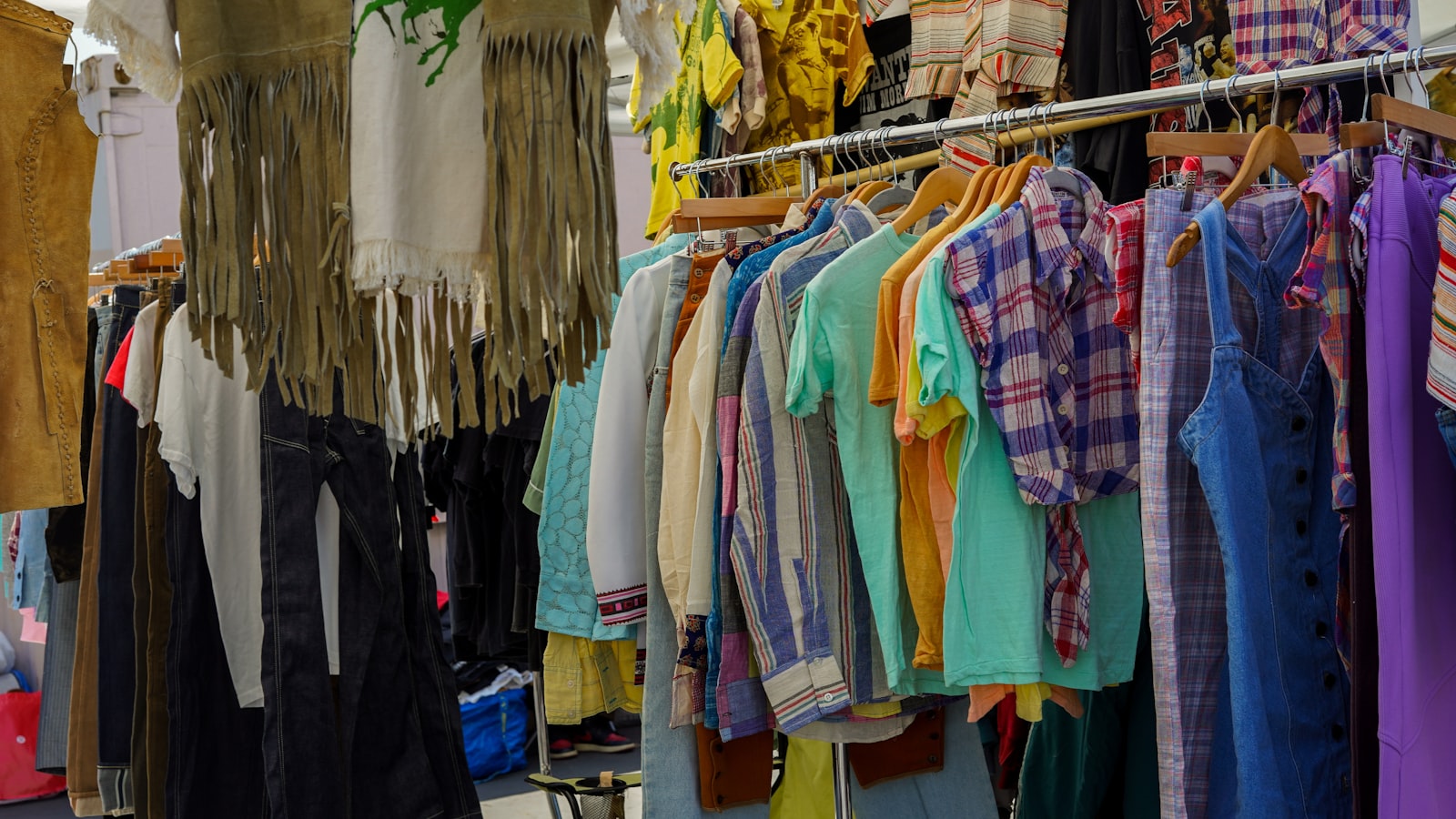
When an activist hoodie helps and when it becomes costume
An activist hoodie works when the message is accurate, connected to a real cause and supported by action beyond the purchase. Before wearing one, ask who created the message, whether the campaign names a concrete goal and what a reader can do after noticing it. A strong design opens a useful conversation; it should not make the wearer the centre of somebody else’s struggle.
Check the organisation or source behind any claim, learn the context, and choose language you can explain without improvising. The spiritual activism guide offers a practical route from reflection to accountable action, and the positive activism apparel guide covers message and wearability in more detail.


Fashion as activism begins with a simple truth: clothing is public. Before a person speaks, what they wear can signal belonging, resistance, grief, pride, memory, faith, solidarity, or refusal. That visibility has power, but it also carries responsibility. Statement clothing should not turn serious issues into costume, trend, or empty performance. At its useful, protest fashion and conscious streetwear help people carry values into ordinary life while staying connected to real action. So let us look at clothing as protest, the risk of empty statement pieces, and how values-led apparel can support a real wardrobe without pretending that buying a product replaces participation, learning, service, or courage.
Why clothing becomes political
Clothing becomes political because it lives in public. Uniforms, colors, slogans, symbols, fabrics, hairstyles, and silhouettes have often carried meaning. Sometimes that meaning is chosen by the wearer. Sometimes it is projected by society. Either way, clothing participates in culture. Fashion activism happens when people use that visibility with intention. A garment can mourn, celebrate, challenge, remember, protect, or declare. It can say “I belong here,” “I refuse silence,” or “this value matters to me.” A spiritual lens adds depth to that public language. The question is not only what the clothing says. It is what kind of awareness, courage, and conscience the clothing asks the wearer to practice.
The risk of empty statement clothing
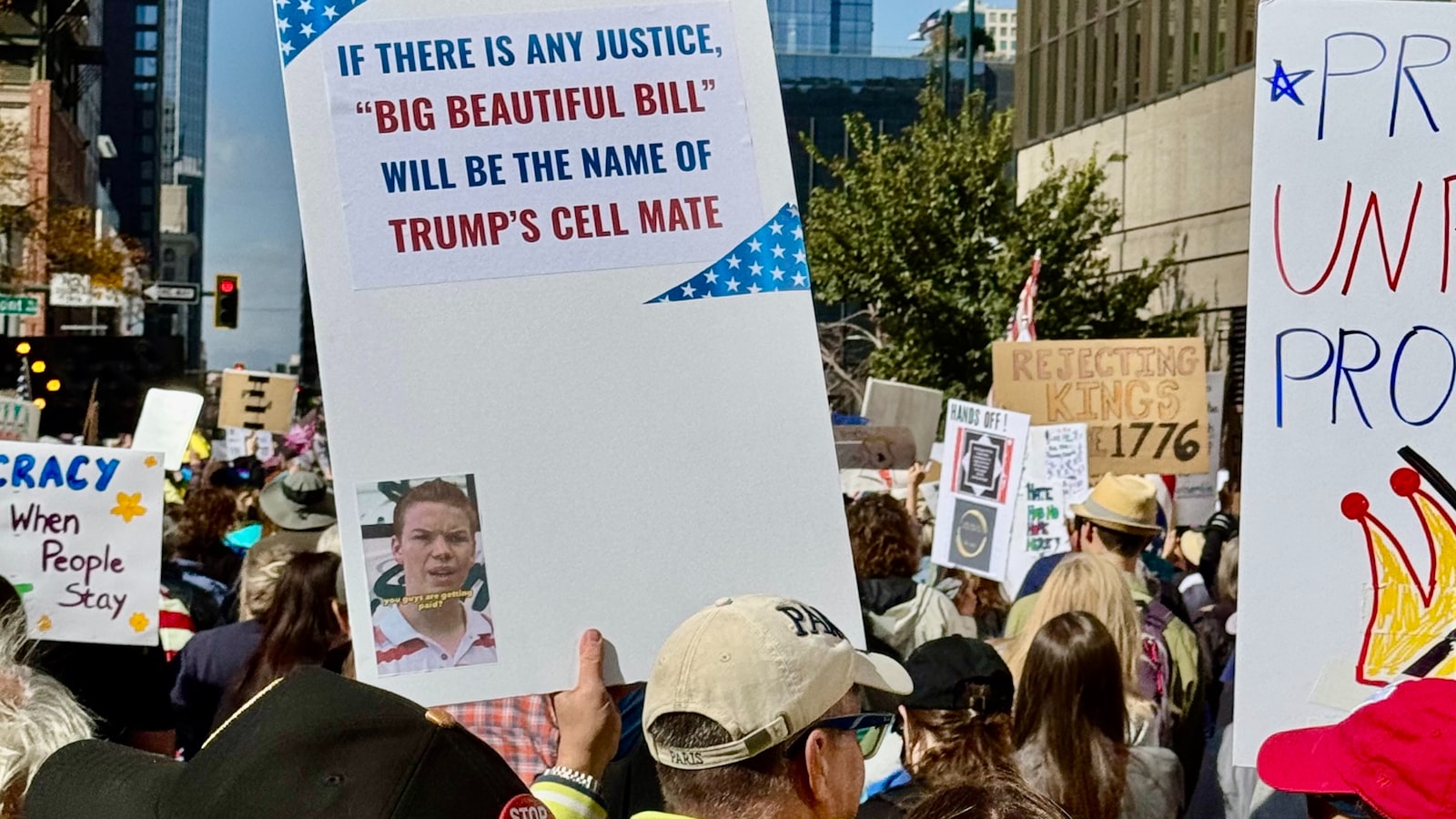
The risk is performance. A phrase can look powerful while remaining disconnected from learning, community, or care. A design can borrow the energy of a movement without honoring the people who carry its cost. That is why message clothing should be chosen slowly. If a garment names freedom, ask what freedom means. If it names identity, ask whose story is being honored. If it names justice, ask what responsibility sits behind the word. Empty statement clothing wants attention. Responsible statement clothing invites alignment.
Conscious streetwear as daily public language
Conscious streetwear works because it brings values into daily places. It does not wait for a special event. A hoodie at a cafe, a hat on the train, a tote at the market, or a t-shirt under a jacket can carry a quiet public sentence. That sentence does not have to be aggressive to be strong. The most durable messages often name what they are for: freedom, dignity, awareness, truth, peace, courage, love, Black identity, public conscience. For readers exploring this space, the ConsciousBuzz guide to spiritual clothing brands and conscious streetwear offers a broader view of how spirituality, symbolism, and streetwear can meet.
How to choose statement clothing with integrity
| Question | What it protects |
| Do I understand the message? | Protects depth. |
| Can I wear it beyond one trend? | Protects durability. |
| Does it avoid dehumanizing language? | Protects dignity. |
| Does it connect to action? | Protects integrity. |
| Does it fit my actual wardrobe? | Protects use, not waste. |
Where values-led apparel fits
Values-led apparel fits where spirituality, activism, and daily wear meet. A useful pieces do not make clothing louder than the person. They make values easier to carry. A piece connected to the meaning of black can hold seriousness, elegance, protection, identity, and presence. A freedom message can keep public conscience visible. A spiritual design can remind the wearer to act from awareness rather than ego.
Print-on-demand and message integrity
Print-on-demand production can reduce overproduction and unsold inventory waste because pieces are made when ordered. That fits the message integrity of conscious clothing: produce with more intention, buy with more intention, and wear with more intention. This should not be confused with a blanket claim that every item is made from eco-certified materials. The honest claim is lower waste through on-demand production, with material details depending on each product.
From statement clothing to real solidarity
A useful statement clothing points beyond itself. It can start a conversation, mark belonging, or help someone carry a value into the day. But real solidarity still requires listening, learning, donating, voting, serving, showing up, and repairing harm where possible. That boundary makes the clothing stronger. When apparel does not pretend to be everything, it can do its part well.
The outfit is talking before you do
Fashion has often been a public language. Sometimes it whispers. Sometimes it walks into the room and clears its throat. Either way, clothing says something before the wearer gets a chance to explain. That is why fashion activism deserves more care than a quick slogan slapped on cotton. A message can beautiful and still empty. It can be loud and still lazy. It can look radical while asking absolutely nothing from the person wearing it except a decent mirror and good lighting. The stronger path is more interesting: clothing that carries memory, value, style, and responsibility together. That is where values-led apparel becomes distinctive: not just “statement clothing,” but statements someone can actually live with.
A reporter’s way to read a garment
Ask the same questions a good reporter would ask. Who is speaking? What is being claimed? What is the context? Who benefits from this message? Who might be harmed by it? What action does it point toward after the photo is taken? Those questions do not kill the style. They sharpen it. They help separate real conscious streetwear from costume activism. They also make the clothing more interesting because the wearer has something to say when someone asks about it. A useful fashion activism is not afraid of beauty. It simply refuses to let beauty become an excuse for emptiness.
Style does not have to apologize for caring
Sometimes people talk about activist fashion as if caring automatically means giving up taste. That is a false choice and, frankly, a boring one. Beauty has often belonged in movements: posters, songs, colors, jackets, pins, banners, hair, typography, and the unforgettable outfit someone remembers years later. Style helps a message travel because people notice what feels alive. A well-made statement piece can make someone pause long enough to ask a question. That pause is an opening. It should be treated with respect. The key is not to make clothing less beautiful. The key is to make beauty answer to meaning. If a design looks good and says nothing, it is decoration. If it says something but looks careless, people may not wear it. The strongest conscious streetwear does both: it carries meaning and earns its place in the wardrobe.
How conscious streetwear can stand apart
Conscious streetwear does not need to imitate generic protest merch. The stronger lane is more soulful: spiritual symbols, freedom language, Black identity, calm courage, public conscience, and messages that feel grown-up enough to wear outside the loudest moment of the week. That matters commercially too. People buy clothing when they can imagine themselves living in it. They return to a brand when the message feels like part of their identity, not just a reaction to the headlines. The right piece should feel wearable on ordinary days and meaningful on difficult ones.
The piece should survive the moment
A good values-led piece should still make sense after the headline changes. That is the test. Does the clothing carry a value deep enough to outlive the trend? Can it be worn on an ordinary Tuesday, not just during a high-emotion week? When the answer is yes, fashion activism becomes more than visual noise. It becomes part of a person’s daily language: quiet when needed, bold when appropriate, and often tied to conscience.
Common mistakes to avoid
Avoid choosing a message only because it is trending. Avoid wearing someone else’s pain as decoration. Avoid designs that depend on humiliation. Avoid buying more pieces than you will actually wear. The strongest fashion activism is memorable, humane, and connected to the life of the person wearing it.
FAQ
What does fashion as activism mean?
Fashion as activism means using clothing, symbols, colors, and messages to make values visible in public life. It works useful when the style is connected to real understanding and action.
Can statement clothing be positive?
Yes. Statement clothing can be bold without being cruel. A positive message can still name freedom, dignity, identity, justice, or solidarity clearly.
What makes conscious streetwear different from generic protest merch?
Conscious streetwear carries a message in a way that can live in everyday wardrobes. It should feel wearable, specific, values-led, and connected to more than a single trend.