
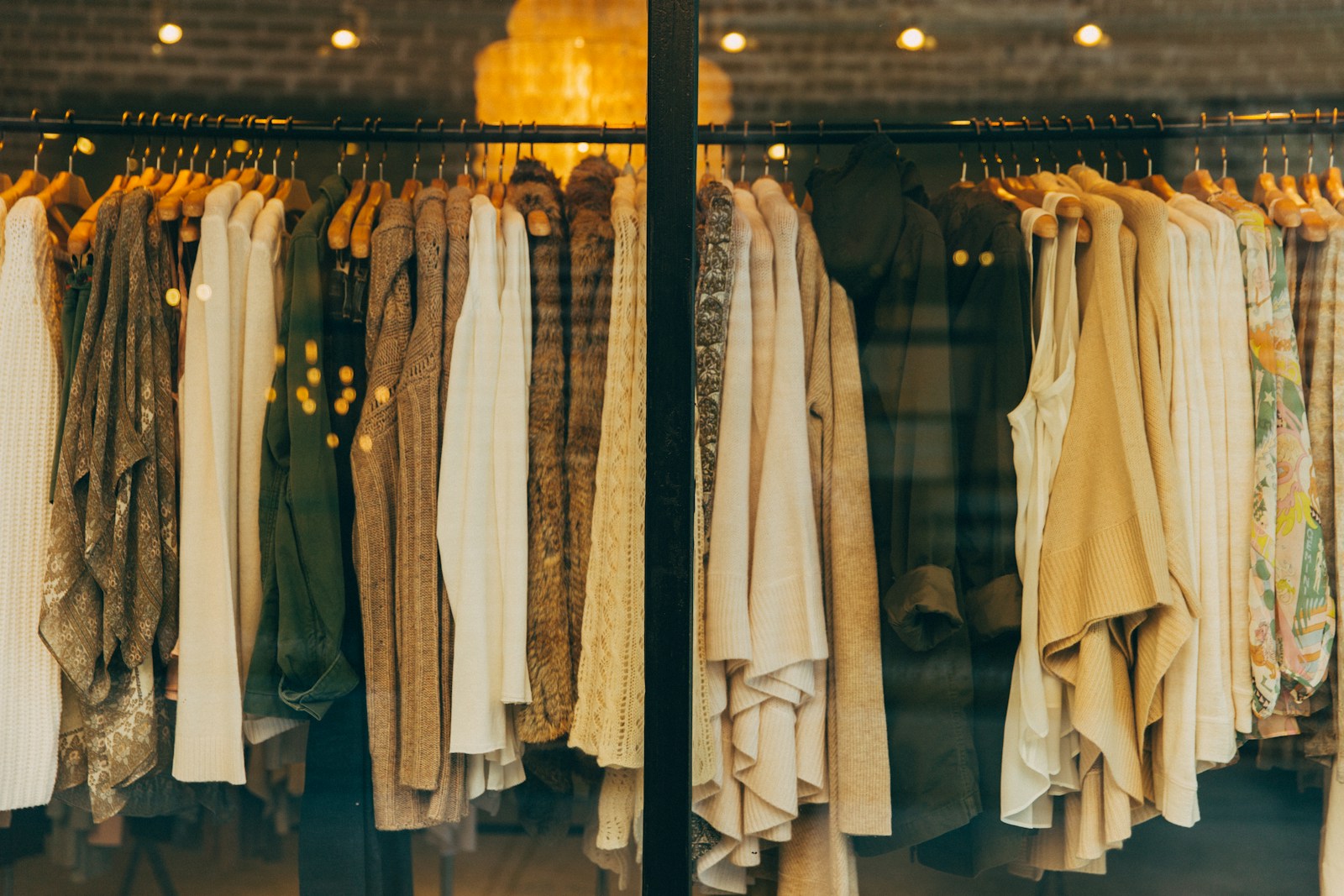
Conscious fashion questions are the questions you ask before a garment becomes part of your life. They slow down the purchase long enough for honesty to enter. Do I need this? Will I wear it? What does the message mean? Who made it, as far as the brand tells me? Is the claim specific or foggy? Does this clothing support my values, or does it mainly let me feel finished with a value I have not practiced yet?
Those questions are useful because conscious fashion can become vague very quickly. A product can use earthy language, spiritual symbols, activist phrases, soft photography, and still tell you very little. A grounded approach does not ask you to become suspicious of every beautiful thing. It asks you to stay awake. Clothing can carry a reminder, mark a commitment, or start a conversation, but it cannot do the moral work for you.

Question 1: What am I asking this garment to do?
Start with function. Are you buying something for daily wear, a gathering, a gift, a spiritual practice, a peaceful public action, or a wardrobe gap? A tee for errands has a different job from a hoodie for outdoor meetings. A gift needs more sensitivity than something you choose for yourself. A piece with a strong message needs more thought than a plain layer.
When the role is clear, the buying decision gets less emotional. You can judge fit, color, fabric, care, and message against a real use case. If the item has no clear role, wait. Wanting beauty or meaning is human, but conscious fashion is not helped by filling the closet with unspecific longing. The pause is part of the practice.
Question 2: Can I explain the message without exaggeration?
Many conscious fashion pieces use words that feel important: sacred, awakened, ethical, revolutionary, healing, liberated, mindful. Some of those words may be sincere. Some may be doing too much work. Ask yourself what the phrase means in ordinary speech. If someone asks about your shirt at a cafe, can you answer in one honest sentence?
This matters for spiritual apparel and activism apparel alike. A symbol should not be worn as a shortcut around learning. A justice message should not imply you have solved an issue by buying a garment. A peaceful phrase should connect to peaceful behavior. If the message points you toward humility, care, and lawful nonviolent action, it is more likely to age well. If it mainly flatters your self-image, keep looking.
Question 3: What claims are being made?
Read product language closely. “Sustainable,” “ethical,” “conscious,” and “eco-friendly” are broad words unless the brand gives details. Does it explain materials, production method, print approach, shipping, care, durability, or waste reduction? Made-to-order production can reduce overproduction and unsold inventory waste, but it does not make every part of a garment low-impact. Materials and fulfillment still matter.
You do not need a perfect answer to every question. Fashion supply chains can be hard to see from the outside. Still, you can reward specificity. A modest, clear statement is usually more trustworthy than a grand claim without detail. If a brand cannot support a claim, your decision should reflect that uncertainty. Conscious buying includes admitting what you cannot verify.

Question 4: Does this respect the source of its symbols?
Spiritual and cultural symbols need more care than general decorative motifs. Before wearing a symbol, ask where it comes from, what it means, and whether your use of it is respectful. Some symbols are widely shared. Some are tied to living traditions, ceremonies, grief, resistance, or identity. Treating every symbol as a personal vibe can turn meaning into decoration.
If you are drawn to spiritual clothing because you want reminders of presence, compassion, or courage, you have options that do not flatten anyone else’s tradition. Choose words, colors, patterns, or imagery that you understand. Support artists who explain their work. Let the symbol ask something of you. The spiritual clothing section can help you think about meaning, daily wear, and respect in the same breath.
Question 5: Will I wear this thirty times?
There is no magic number that makes a purchase pure, but repeat wear is a practical test. If you cannot imagine reaching for the item often, ask why. Maybe the color does not fit your wardrobe. Maybe the phrase is too intense for your actual life. Maybe the cut is wrong. Maybe the purchase belongs to a fantasy version of you who attends different events, lives in different weather, and never spills coffee.
A conscious wardrobe is made of garments that participate in your real days. Short paragraphs on a product page cannot tell you that. Look at your closet. Notice what you already wear until it softens. Notice which necklines, layers, and fabrics you avoid. Let that evidence guide you. The wardrobe guide is a useful companion if you want values-led clothing that still respects comfort and repeat use.
Question 6: What action belongs with this value?
This question keeps conscious fashion from becoming self-congratulation. If a garment speaks about justice, peace, healing, or community, ask how you will practice that value outside the outfit. The action can be small: attend a local meeting, support a mutual aid fund, check on a neighbor, repair a garment instead of replacing it, read a source from someone directly affected by an issue, or join a lawful nonviolent effort already doing the work.
Activism does not become real because it is printed on fabric. It becomes real through choices that cost attention, time, humility, convenience, or resources. Clothing can help you remember. It can give you courage on the way out the door. It can make your values visible to someone who needed a sign of company. But the work still asks for your hands, your calendar, and your patience.
Question 7: Am I buying from pressure or from alignment?
Urgency is not always a friend. Limited drops, countdowns, seasonal pushes, and identity-heavy copy can make a purchase feel like a moral emergency. Slow the moment down. If the item is right for you, it will still be right after a walk, a meal, or a night of sleep. If it stops making sense once the pressure fades, the pause did its job.
Alignment feels quieter. You know where the garment fits. You understand the message. You accept the uncertainty around any claim that is not fully explained. You can connect it to a real practice. You are not buying absolution. You are choosing a useful object with meaning attached.
A quick pre-purchase check
Before you buy, answer these six prompts in plain language: I will wear this for; the message means; the claim I can verify is; the claim I cannot verify is; the action I will pair with it is; the item it must work with in my closet is. If you cannot answer most of them, wait. Waiting is not failure. It is one of the cleanest tools a conscious buyer has.
For readers thinking about clothing tied to civic values, the activism section can help connect apparel with constructive, nonviolent participation. For broader reading, the blog offers more reflection on meaning, apparel, and everyday practice. The goal is to make the next choice clearer, not to turn every purchase into a purity exam.
Practical next step
Before your next values-led clothing purchase, write the six-sentence pre-purchase check in a note on your phone. If one answer feels vague, do the smallest repair first: research the symbol, ask whether you need the item, or choose one real action that gives the message somewhere to live.