The best activist apparel for a fundraiser supports the event’s purpose, respects the people affected, and lets you participate comfortably. It does not need to be the loudest object in the room. Before choosing a message-led shirt or hoodie, confirm the dress guidance, understand the cause, budget your donation, and ask whether the garment helps or distracts.
A fundraiser can be a dinner, community walk, benefit concert, auction, school event, mutual-aid drive, online campaign, or volunteer day. The right clothing for one may be awkward at another. Start with the event, not the slogan.

Read the event before choosing the message
Check the invitation, venue, schedule, weather, access notes, and organiser’s dress guidance. A formal benefit may call for understated clothing. A sponsored walk may need layers, comfortable shoes, and weather protection. A packing event may prohibit loose sleeves or require closed shoes.
Then ask who the event centres. If people directly affected by the issue are speaking, fundraising, or sharing experiences, your clothing should not compete for attention. A related message can show alignment, but an unrelated slogan can fracture the room into your preferred topic.
The ConsciousBuzz activism guide explores constructive, values-led public action. Its simplest principle applies here: learn what the action needs, then contribute to that need.
Put the donation before the outfit
Set the amount you can give before shopping. A new garment should not quietly consume the money you intended for the cause. If your budget is limited, wear something you own and direct the difference to the fundraiser.
Check how donations are collected, what fees apply, whether the organiser identifies the recipient, and whether you will receive confirmation. Charity Navigator provides general giving guidance for researching organisations and making considered donations. Local fundraisers, mutual-aid efforts, and informal community drives may use different structures, so judge them by the evidence appropriate to their model rather than assuming every effort looks like a large registered charity.
Clothing can be part of fundraising when an organiser sells official merchandise or a brand states that a defined amount supports a named recipient. Read the exact terms. “A portion of proceeds” is less informative than a stated amount, percentage, time period, and beneficiary.
Choose a message you can explain calmly
A fundraiser is a social setting. Someone may ask what your shirt means. Choose words or symbols you can explain in one or two grounded sentences without turning a friendly question into a recruitment ambush.
Check spelling, context, and origin. Avoid wearing sacred, cultural, political, or movement-specific imagery as decoration if you have not taken time to understand it. If the event concerns trauma, illness, violence, bereavement, displacement, or discrimination, consider whether the wording is compassionate to people living with the issue.
The broad spiritual clothing guide can help you think about symbolism, respect, comfort, and repeat wear. Meaningful clothing should invite responsible conversation, not claim moral authority for the wearer.
Match visibility to your role
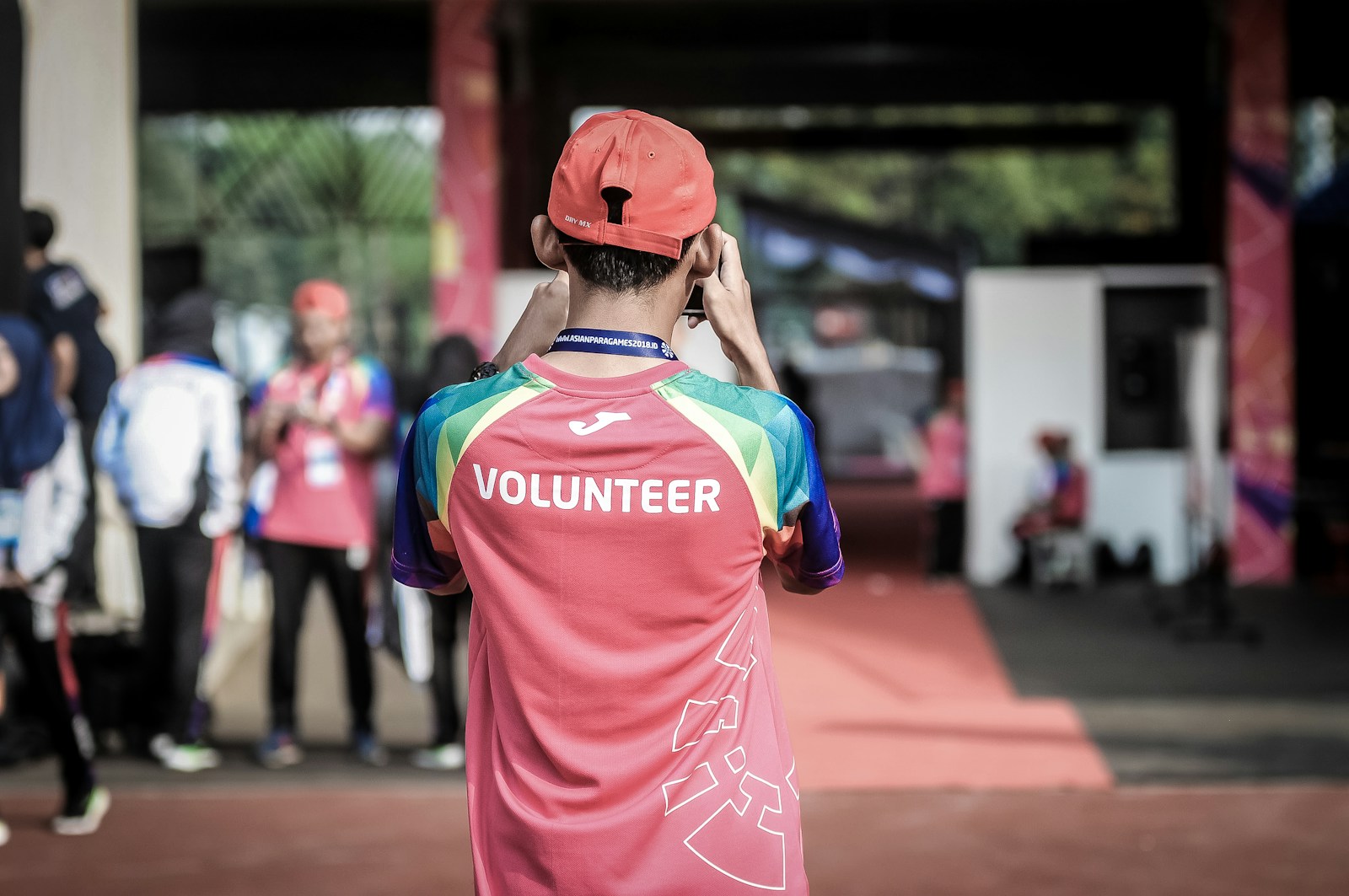
Your role changes what is useful. An organiser may need an official shirt so attendees can find help. A volunteer handling registration may need a name badge and simple, readable clothing. A guest can choose a quieter message. A performer or speaker should follow production and organiser guidance.
Consider photography. Fundraisers often document attendance, thank supporters, and share results. If the event has a photo policy, respect it. Do not assume every participant wants to appear beside your message online, particularly at events involving sensitive personal circumstances.
If you are representing an employer, school, club, or campaign, confirm whether your clothing could be mistaken for an official position. A simple name badge or event shirt can be clearer than adding several identities to one outfit.
A shirt can open a conversation. It should not make other people into props for that conversation.
Dress for the work
Comfort is not a shallow concern. It affects whether you can stay, listen, carry boxes, walk the route, help clean up, or concentrate on a speaker.
Check the forecast and venue. Use breathable layers for active events, a warm layer for evening work, and shoes suited to standing or walking. Avoid a new, untested fit if you will be moving for hours. If the garment restricts your shoulders, requires constant adjustment, or cannot survive the event’s likely mess, it is not helping.
For food service, workshops, childcare, construction, gardening, or street activity, follow the organiser’s safety and hygiene requirements. A powerful sleeve graphic is irrelevant if the sleeve keeps falling into the work.
Inspect the product page
If you buy activist apparel, judge it as clothing as well as communication. Look for measurements, material composition, fit notes, care instructions, print details, fulfilment estimates, shipping regions, and return or defect terms.
Compare measurements with something you already wear. Letter sizes vary. Check the exact colour and size because materials or fulfilment can differ across variants. If the page shows only a front mock-up, ask whether photographs or additional details are available.
Do not assume a values-led message proves product quality. The garment needs to fit your body, budget, event, and repeat-wear plan.
Check environmental and donation claims
Read broad claims carefully. The US Federal Trade Commission’s Green Guides summary cautions against broad, unqualified environmental-benefit claims and explains the need for clear qualification. Prefer specific product-level facts over terms such as “green,” “ethical,” or “conscious” without scope.
Print-on-demand can reduce overproduction and unsold inventory waste because an item is produced after an order. That does not prove every material, ink, package, factory, or delivery route has the same environmental profile. Check the details of the product you are considering.
For cause-related sales, verify the beneficiary, calculation, dates, and any cap. If those details are missing, treat the purchase as a clothing purchase and make a separate donation through a route you trust.
Avoid message collisions
An event can include people with different experiences and political views who agree on one practical goal. A narrowly relevant message may help. A collection of unrelated slogans can create confusion or put organisers in the position of explaining a statement they did not choose.
Ask three questions:
1. Is this message connected to the fundraiser’s stated purpose? 2. Could it reasonably make an affected person feel used or erased? 3. Am I willing to listen if someone explains a context I missed?
If the answer is uncertain, choose a quieter piece or wear the event’s official identifier. Restraint is not a lack of conviction. Sometimes it is evidence that you understand the room.
Let conduct carry the message
Arrive when promised. Follow volunteer instructions. Listen to speakers. Make space for people with direct experience. Ask before photographing. Do the ordinary work. Thank organisers. Share the verified donation link without centring yourself. Follow up after the event if ongoing help is requested.
These actions give activist clothing context. Without them, a slogan can become a receipt for concern rather than evidence of participation.
This does not require perfection. It requires alignment. If your shirt speaks about dignity, practise dignity with staff and guests. If it speaks about community, help with the unglamorous final twenty minutes when chairs still need stacking.
Your next step: make a four-part plan
Confirm the event’s purpose and dress guidance. Set your donation or fundraising goal. Choose clothing you can move in and a message you can explain. Then decide one useful action you will complete before, during, or after the event.
If a ConsciousBuzz design genuinely fits that plan, browse the ConsciousBuzz shop and verify the current product details before buying. Choose the piece because it works for the event and your real wardrobe, not because purchasing feels easier than participating.
At a good fundraiser, the cause remains the headline. Your activist apparel can support that headline quietly; your donation, attention, and follow-through give it substance.