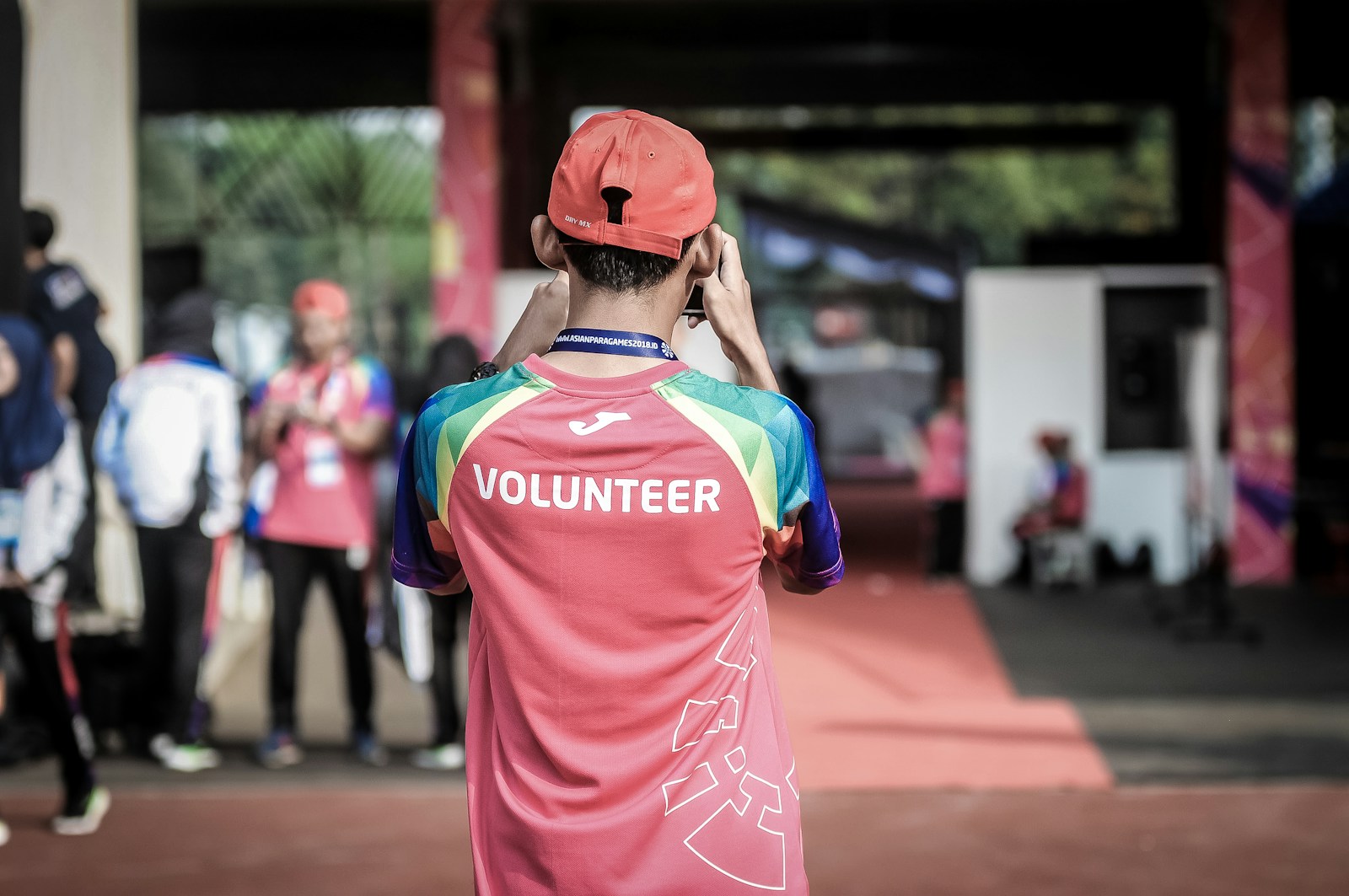
Activist apparel for volunteering should help you do the shift safely, respectfully, and comfortably. The message on a shirt matters, but the task, organisation rules, people served, weather, and movement matter first.
That order is useful because volunteering is not a costume test. A food-distribution shift, community garden, phone bank, shelter role, fundraising desk, march support team, and youth programme can require very different clothing. The most values-led outfit is the one that lets you keep your commitment without creating avoidable work for somebody else.
Start by reading the instructions from the organisation. If they provide a volunteer shirt, badge, uniform, protective equipment, or dress code, use it. If the guidance is unclear, ask the coordinator one direct question: “What should I wear and what should I avoid for this task?” Five minutes of clarity can prevent four hours of regretting your shoes.

Let the task set the clothing rules
Write down what your body will actually be doing. Will you stand, lift, walk, bend, cook, sort, garden, speak to the public, use tools, work around children, enter a clinical setting, or sit at a desk? Then choose clothing for that reality.
Outdoor work may need layers, sun or rain protection, clothes that can get dirty, and sturdy footwear. Food service may require tied-back hair, clean clothing, closed shoes, and any protective items specified by the host. A public-facing desk may call for a neat, neutral layer and a visible volunteer badge. A phone or admin shift may be less physical, but comfort still matters if you are staying for several hours.
Safety requirements are not suggestions to accessorise around. The CHEO volunteer orientation manual, for example, specifies comfortable clothing that permits movement and defines safe footwear as closed at the heel and toe for its volunteer environment. Your organisation may have different rules, so its current instructions take priority.
Ask whether a message belongs in that room
An activist shirt can be appropriate at a community clean-up, voter-registration event, peaceful campaign activity, or values-aligned fundraiser. It may be distracting or prohibited in a politically neutral service, clinical environment, school, faith setting, workplace partnership, or role serving people with varied beliefs.
The useful question is not only, “Do I agree with this message?” Ask:
- Is it relevant to the organisation’s mission?
- Does the host permit message clothing?
- Could it make a person receiving help feel judged, recruited, or unsafe?
- Does it name a value or demand without dehumanising anybody?
- Can I explain it calmly if someone asks?
- Would a plain volunteer shirt serve the role better today?
Sometimes the strongest choice is neutral clothing under the official badge. Your action already communicates something. You do not have to make every square centimetre deliver a keynote.
Choose messages that survive a real conversation
If activist apparel is welcome, choose words or symbols you understand. A short message about dignity, freedom, solidarity, peace, care, voting, community, or justice can open a useful conversation. It can also flatten a complex issue if the wearer treats the slogan as the whole argument.
Before wearing it, practise a two-sentence explanation: what the message means to you and what constructive action it points toward. Avoid claims you cannot support, symbols taken from a culture you have not tried to understand, and language that humiliates an opponent or turns suffering into visual drama.
The ConsciousBuzz guide to choosing an activist hoodie message offers a fuller message test. The short version is simple: if you would be embarrassed to explain the phrase to a thoughtful stranger, the design is not ready to represent your values in public.
Put the people served ahead of personal expression
Volunteer work can involve people during vulnerable, private, or stressful moments. Do not use them as a backdrop for your identity, content, or campaign. Follow photography and confidentiality rules. Never assume that wearing an activist shirt gives permission to question people about their experience, post their image, or tell their story.
Ask the coordinator how participants prefer to be addressed and what boundaries apply. If the organisation asks volunteers not to discuss politics, religion, personal history, or the details of a case, respect that boundary. Service should not become an ambush conversation.
This does not require abandoning your convictions. It means expressing them through reliability, consent, care, and attention to the task. Conscious activism is often less cinematic than a slogan. It looks like arriving on time, learning the system, carrying the box correctly, and staying for cleanup.

Dress for comfort without becoming careless
Comfort is functional. Choose a fit that lets you move without constant adjustment. Test whether sleeves catch, trousers restrict bending, a hood blocks peripheral vision, or jewellery interferes with gloves and equipment. Bring a plain layer if a printed shirt may need to be covered.
Check the weather and venue rather than relying on optimism. Outdoor shifts can move between sun, wind, rain, and cold surfaces. Indoor roles can be warmer or cooler than expected. A light extra layer, water bottle where permitted, and suitable socks are not exciting, but neither is spending a whole shift thinking about one wet foot.
For long standing or walking roles, prioritise supportive footwear that meets the host’s rules. Do not wear a new pair for the first time on a four-hour shift. Activism has enough blisters without manufacturing additional ones.
Wear something you can wash and repeat
Volunteer clothing should survive ordinary care. Read the product instructions before exposing a printed garment to mud, paint, food, or repeated hot washing. If a piece is delicate, rare, expensive, or emotionally irreplaceable, it may not belong at a practical shift.
Repeat wear matters more than a one-day photo. A durable shirt that you use for ten relevant events can become part of a real practice. A dramatic purchase worn once and forgotten has made a statement mostly to the wardrobe.
Be cautious with sustainability claims. Print-on-demand can reduce overproduction and unsold inventory waste because items are made after demand exists, but materials, fulfilment, shipping, packaging, durability, and care still shape the impact. No production method turns a careless purchase into an ethical achievement by magic.
Confirm what the organisation provides
Ask whether the host supplies a shirt, vest, badge, gloves, apron, high-visibility layer, protective footwear, tools, or storage. Do not assume personal activist apparel can replace required identification or safety equipment.
Also ask what you should bring and what you should leave at home. Some sites restrict bags, valuables, food, fragrances, phones, photography, loose clothing, or open shoes. A role involving children, healthcare, animals, food, construction, or confidential records may have additional screening and conduct rules.
VolunteerMatch’s getting-started guidance encourages people to choose opportunities that fit their interests, skills, and schedules, follow up promptly, act professionally, and honour commitments. Clothing is one small part of that fit. The deeper question is whether you can do what the role asks, when it asks, with respect for the organisation and community.
Avoid turning the shift into a personal campaign shoot
If photos are permitted, let the organisation lead. Ask before photographing volunteers, staff, facilities, documents, children, clients, addresses, or donated goods. A smiling group photo may seem harmless while revealing a person’s location, health context, immigration concern, housing situation, or need for assistance.
Do not delay the work to stage the apparel. Do not position yourself as the hero of somebody else’s difficult day. If you share a post afterwards, focus on the organisation’s approved message, current need, or public volunteer link. Check names, facts, and consent.
A quieter post can have more value: “The food bank needs three Tuesday volunteers; here is the official signup page.” That gives the audience a next action instead of asking them to admire your virtue from a safe distance.
Make the message accountable to the action
Pair the garment with one behaviour that makes its words more credible. If it says solidarity, learn the team’s process and support the least glamorous task. If it says freedom, respect the dignity and choices of the people served. If it says peace, handle disagreement without humiliation. If it says community, return when the camera is absent.
This is where spiritual clothing and activist apparel can meet. A garment may act as a reminder, but it cannot perform the practice. Read the broader ConsciousBuzz guides to constructive activism and spiritual clothing for that inner-work and outward-action connection.
A first-shift checklist
The day before, confirm:
- the exact address, arrival time, coordinator, and finish time
- the task and expected physical activity
- official shirt, badge, uniform, or protective-equipment rules
- suitable footwear and weather layers
- whether message clothing is allowed and appropriate
- what to bring, where to store valuables, and whether food or water is provided
- confidentiality, photography, safeguarding, and social-media rules
- the contact method if you are delayed or unable to attend
Then arrive a little early, introduce yourself to the shift lead, and listen to the briefing. If the instructions change, adjust. A volunteer who can take direction is more useful than an outfit with perfect typography.
Your next step
Before buying anything, choose the opportunity. Confirm the task and dress code. Decide whether a message helps the role or whether neutral clothing is the more respectful choice. Prepare the layers, shoes, and practical items that will let you finish well.
If you still want a values-led garment after that check, browse the ConsciousBuzz shop with repeat wear, message clarity, and real use in mind. Choose a piece only if it belongs in your life beyond one event.
Then do the shift. Thank the coordinator. Ask what would make you more useful next time. Put the next date in your calendar if the role fits. Activist apparel can point toward a value; dependable action is what makes the value visible.