
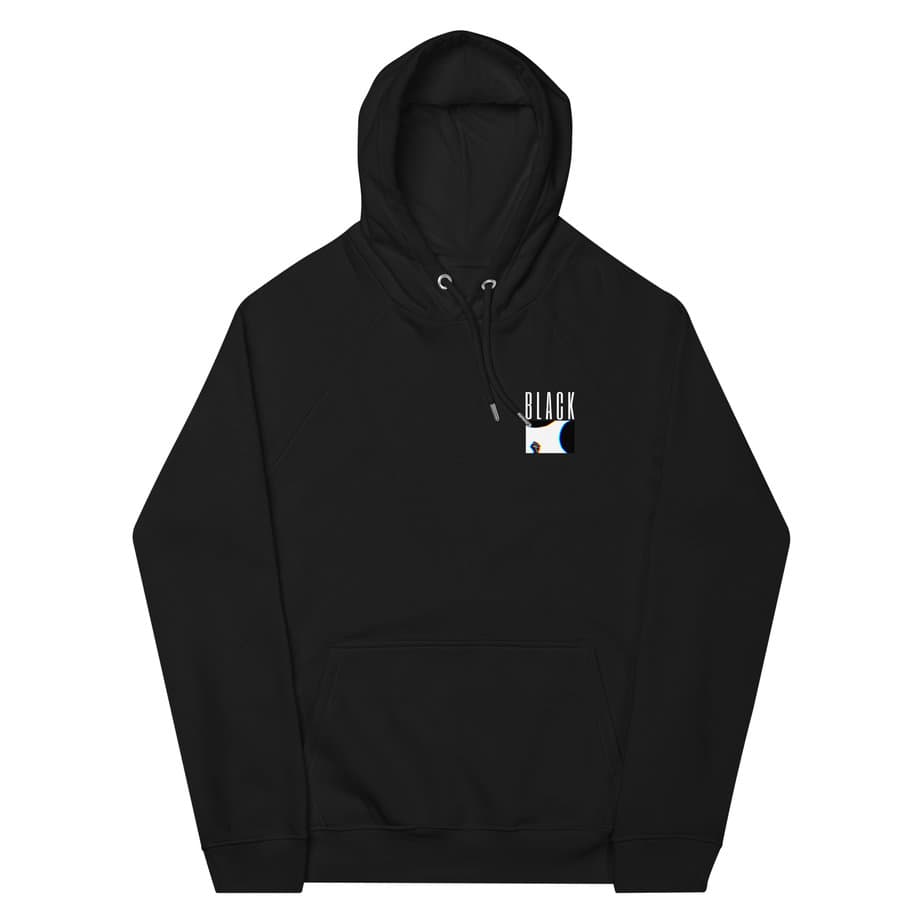
A spiritual hoodie can be a familiar layer that carries a personal reminder: patience before a difficult conversation, courage when you feel uncertain, or a connection to a practice you value. Its usefulness still depends on ordinary things. It needs to fit comfortably, work with your weather and survive the care routine you can actually manage.
Start with the hoodie you already wear most. Notice the sleeve length, weight, hood and pockets. Those preferences provide a better guide than the idea that meaningful clothing should look a particular way. The right reminder is easier to keep close when you enjoy wearing the garment.
Choose the job before the design
Will this be a layer for indoor evenings, a travel companion or something you wear under a coat? A thick hoodie may feel comforting at home but cumbersome beneath fitted outerwear. A lighter garment may layer well without providing the warmth you expect outdoors.
Think about how you use the hood. Some people like a generous hood; others find the weight at the neckline uncomfortable. Drawstrings, seams and labels can also affect comfort. Product photographs rarely answer every sensory question, so look for measurements and ask about details that matter to you.
If you need a garment for a specific activity, check its practical requirements separately. A hoodie chosen for its symbolism does not automatically provide weather protection or any other performance feature. Meaning and technical function are different questions.
Try the fit in motion
Compare a size chart with a hoodie that already fits you. Check whether the seller gives body measurements or garment measurements, then use the same points. Allow room for a tee or other layer underneath if that is how you will wear it.
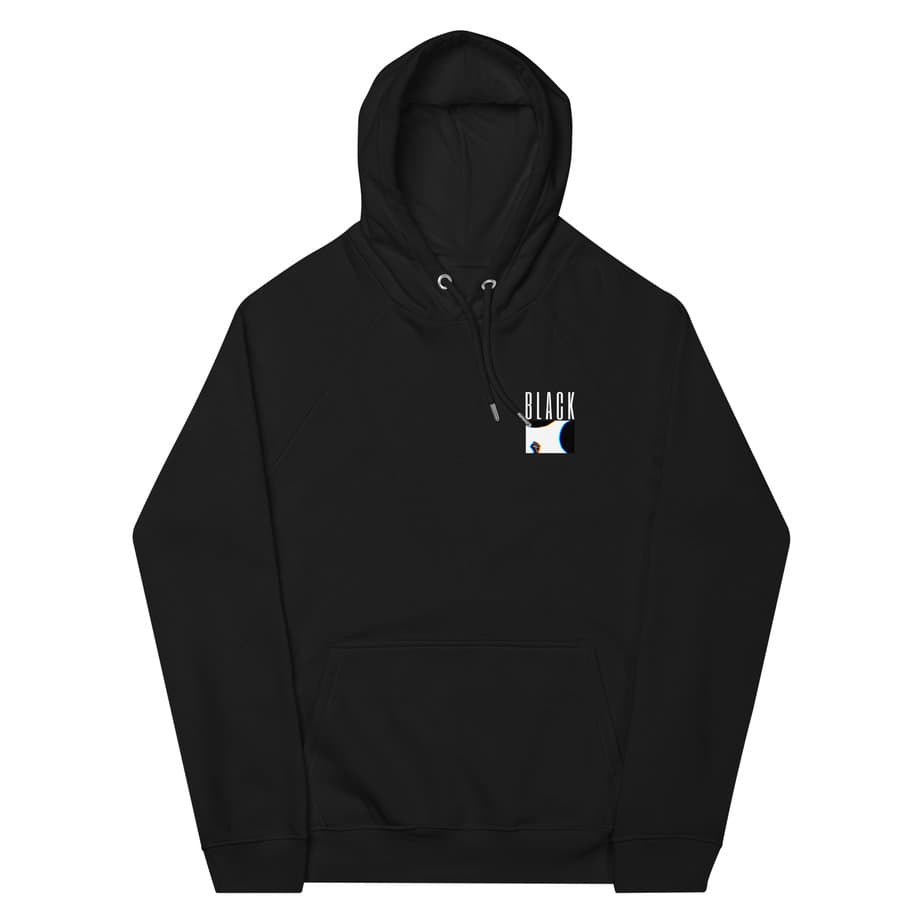
When trying a garment, sit down, lift your arms and put on your usual coat or bag. Notice whether the hem rides up, the shoulders pull or the hood bunches behind your neck. A roomy appearance in a photograph does not necessarily mean comfortable movement for your body.
Do not treat a size label as a judgement. Cuts differ, and the useful question is whether this particular garment works for you. If the fit is wrong, exchanging it is a practical adjustment rather than a failure to suit the style.
Give the symbol enough context
Choose a phrase or image you understand and feel comfortable carrying. If someone asks about it, you can offer a short personal explanation. “It reminds me to pause before reacting” is enough; you do not need to defend an entire worldview in a queue.
If the design comes from a religious or cultural tradition, learn what it means within that tradition. A symbol should not become anonymous decoration simply because it looks attractive on fabric. You can choose an original image or a familiar word when you do not yet understand a borrowed symbol.
The ConsciousBuzz spiritual clothing guide offers questions about choosing meaning respectfully. The BLACK explanation shows how one design uses a specific set of values rather than claiming a universal interpretation.
Place the message where you want to see it
A chest print can stay visible beneath an open jacket. A back design may disappear under outerwear for much of the year. A sleeve detail may be easy for you to notice while remaining subtle to other people. Consider the arrangement before choosing the largest available graphic.
Read any words at the size they will appear on the garment. A complex design can lose clarity when scaled down, while a bold print may feel more prominent in person than on a small screen. Ask for a clearer image if you cannot assess the details.
You can also prefer a plain hoodie and keep your reminder elsewhere. Spiritual practice does not require visible lettering. The garment can be comforting because it is familiar, without needing to explain that feeling to anyone.
Build a small ordinary ritual around it
A ritual can be as simple as putting on a comfortable layer before sitting down to write. You might use the moment to decide what needs your attention, set your phone aside or make a cup of tea. The clothing marks the transition; it does not perform the work for you.
Keep the ritual flexible. If the hoodie is in the wash, you can still reflect, pray or rest. A useful routine should not make you dependent on owning or wearing a particular object. Nor should it become a reason to delay necessary help when you are struggling.
If your routine includes meditation, NCCIH’s information on meditation and mindfulness includes safety considerations. Choose practices with care, and stop anything that increases distress rather than treating discomfort as proof that it must be working.

Read the care instructions before buying
Check the stated fibre composition and washing guidance. If you share laundry facilities or have limited drying space, consider whether the garment fits those conditions. Avoid buying something that depends on a routine you already know will be difficult to follow.
The FTC clothing and textiles resources explain the role of care and fibre information. Follow the actual label for the item rather than assuming every hoodie or printed garment can be treated identically.
After wear, notice small problems early. A loose seam or damaged drawstring may be easier to address before it worsens. Ask a repair service about feasibility and cost if you cannot do the work yourself. A repair is a decision about the actual garment, not an obligation to keep an unsuitable item forever.
Avoid promises the garment cannot establish
A hoodie cannot guarantee calm, healing or a change in fortune. Treat such language as a reason to examine the claim, even when you enjoy the design. A personal association can be meaningful without being a measurable effect of the product.
Likewise, words such as conscious do not establish environmental or labour performance. Seek specific information if those issues are central to your choice. Do not infer the garment’s entire production story from a peaceful photograph or the colour of the packaging.
Let repeated use decide its place
Consider a travel day before deciding whether this is the hoodie for you. Pack it into the bag you normally carry, then try it over your planned shirt. Check whether the bulk is manageable when you take it off and whether the hood sits comfortably against a seat back. A garment that works well for evenings at home may be inconvenient in a small bag.
Pockets deserve the same practical attention. Check their shape and opening before relying on them for belongings, and use an appropriate secure place for important items. A front pouch may be comfortable for your hands without being suitable storage during movement. The product’s appearance alone cannot tell you how your particular items will sit.
If you like a design but the pullover format does not suit your movement or temperature preferences, look for a different garment type or keep the meaning in another form. You are choosing a usable layer, not taking a test of dedication to the symbol.
After a few weeks, notice when you reach for the hoodie and when you leave it behind. Does it work with the clothes and routines you planned? Does the message still feel comfortable? The wardrobe guide can help you consider those relationships without turning your cupboard into a test of personal virtue.
A good spiritual hoodie can become unremarkably familiar: the layer you choose before a walk or after a long day. It need not make you look transformed. Comfort, an understood message and useful wear are enough to give it a place in everyday life.