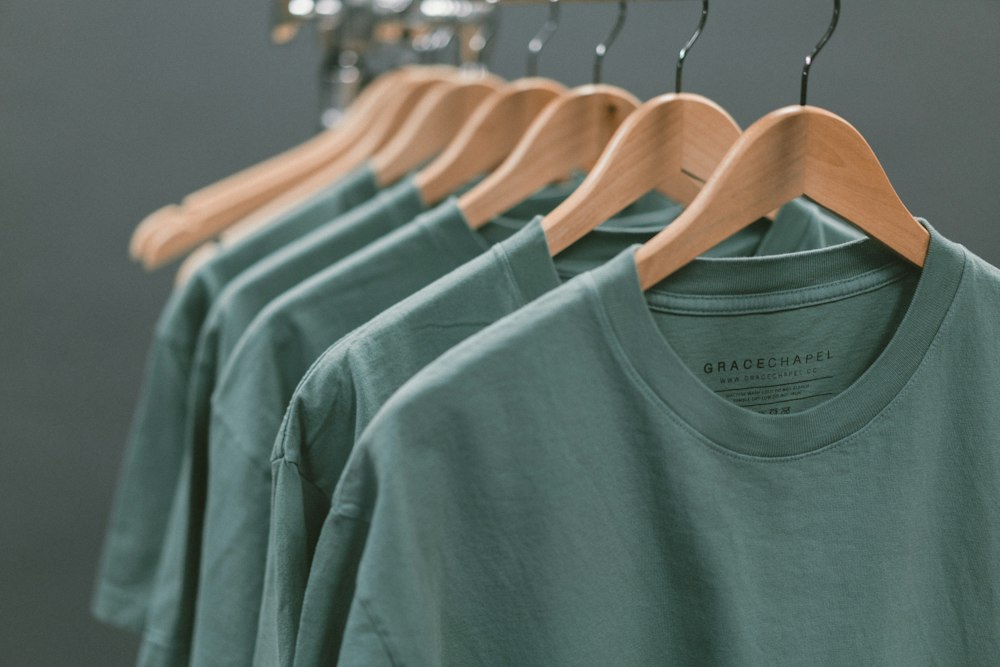
Fashion activism sounds modern—like something that started in the era of hashtags and online shops.
But protest clothing is much older than Instagram. People have used what they wear to signal identity, solidarity, resistance, grief, hope, and belonging for a very long time.
This is a practical, positive history (no academic gatekeeping) plus a guide for how to wear message clothing responsibly—without turning it into empty performance or harmful rhetoric.
What fashion activism actually is
Fashion activism is the use of clothing, style, and symbols to express:
- values (“dignity”, “freedom”, “care”)
- solidarity (“I’m with you”)
- resistance (“this is not acceptable”)
- identity (“this is who I am / who we are”)
It can be:
- a t-shirt message
- a color worn intentionally
- a pin, patch, or scarf
- a uniform (formal or informal) that signals belonging
And it works because clothing is public. It’s a message people can see before you speak.
A quick history of protest clothing (in human terms)
Without trying to cover every movement (impossible), here are some recurring patterns:
1) Color as a symbol
Movements have long used color to communicate:
- unity
- mourning
- solidarity
- commitment
Color is powerful because it’s simple and visible at scale.
2) Slogans and printed messages
Printed messages show up whenever technology and culture make it easy:
- shirts
- hats
- banners
- buttons
Some messages are direct and time-bound. Others are values-based and timeless (and often age better).
3) Workwear and uniforms
Workwear and uniform-like choices can signal:
- collective identity
- seriousness
- “we are organized”
Sometimes this is formal. Sometimes it’s just “we all wear the same thing today.”
4) Subculture style as resistance
Certain styles become political because they challenge norms:
- punk aesthetics
- streetwear as identity and voice
- DIY clothing as refusal of mainstream rules
Fashion doesn’t have to be polite to be meaningful.
Why statement clothing still matters in 2026
Message clothing isn’t the work. But it can support the work in a few real ways:
- it starts conversations (sometimes gently, sometimes boldly)
- it signals values to your community
- it reminds you of what you stand for on ordinary days
- it can help people find each other in public spaces
It’s not magic. It’s social signaling. And social signaling can matter.
How to wear activism apparel responsibly (so you don’t do harm)
Here are practical “do no harm” rules that age well:
1) Avoid dehumanizing language
Even if you’re furious (understandable), dehumanizing slogans often backfire. They harden conflict and can spread harm.
2) Avoid violent rhetoric (even as a “joke”)
If you want your activism to be nonviolent and constructive, keep the message aligned with that. People read shirts literally.
3) Choose messages you can stand behind later
Values-based messages tend to age better than ultra-specific claims. If the shirt makes a specific factual claim, verify it first.
4) Pair the message with a real practice
Message clothing is most powerful when it’s connected to action:
- volunteering
- donating
- learning
- showing up for community
- mutual aid
Not because you need to “earn” the shirt. Because you deserve to feel aligned.
5) Don’t let the message replace listening
Sometimes the most activist thing you can do is listen to people directly affected—especially before you speak for them.
A “message check” before you buy or print anything
If you want statement clothing that ages well, run it through this quick filter:
- Is it true? If it’s a factual claim, can you verify it?
- Is it nonviolent? Would you feel okay if a stranger read it literally?
- Is it dignity-based? Does it avoid dehumanizing language?
- Is it clear? Would a reasonable person understand what you mean?
- Is it aligned with your actions? Are you willing to live into it?
Values-based messages (freedom, care, courage, dignity) often stay useful longer than trend slogans.
The “ethical” part (keep it real, not perfect)
If fashion activism is about values, it’s normal to care how the clothing is made.
You don’t need purity. You need honesty:
- buy fewer pieces you’ll actually wear
- avoid impulse “movement merch” that becomes drawer clutter
- treat “sustainable” claims as something to investigate (materials and fulfillment vary)
If a piece is made after purchase (print-on-demand), it can reduce overproduction and unsold inventory waste, but it’s not automatically ethical. The details matter.
Quick FAQ
Is fashion activism just virtue signaling?
It can be. It can also be sincere. The difference is usually whether the clothing is paired with real action and grounded values.
Should I wear political clothing at work?
It depends on your safety, job context, and goals. If you want to avoid conflict, consider subtle symbolism (colors, small accessories) or values-based phrases rather than inflammatory statements.
What’s the best message to wear?
One that is:
- nonviolent
- grounded in dignity
- aligned with what you actually do in your life
Continue exploring ConsciousBuzz
- Conscious activism hub: https://consciousbuzz.com/activism/
- ConsciousBuzz shop: https://consciousbuzz.com/
A grounded next step
Pick one value you want to live publicly (compassion, freedom, courage, dignity) and choose one small action you’ll repeat this month.
If you want a constructive activism starting point, see: https://consciousbuzz.com/activism/
A grounded way to use this guide
For Fashion activism: a practical, positive history of protest clothing, the important test is whether the message still feels responsible when it leaves the screen and enters real life. A shirt, hoodie, tote, or hat can carry courage, but it should not turn someone else’s pain into decoration. Read the words out loud. Imagine explaining them to a stranger who disagrees with you, and to a person who has lived closer to the issue than you have. If the message still sounds humane in both conversations, it is already doing better than the loudest thing in the room.
A practical choice around activism apparel starts with one value you can stand behind without needing a dramatic speech: dignity, freedom, compassion, solidarity, truth, repair, or community. Then look at the design with that value in mind. Does it invite a conversation or merely demand attention? Does the image support the message, or does it make the issue feel like costume? The strongest activism clothing often has enough restraint to let the wearer be thoughtful. It gives courage a clean sentence, not a megaphone with laundry instructions. In the context of “Fashion activism: a practical, positive history of protest clothing”, the detail matters because the reader is trying to make a real next move.
The purchase decision should also stay honest. Print-on-demand can reduce overproduction and unsold inventory waste because items are made after demand exists, but it is not a universal environmental guarantee. Materials, print durability, packaging, shipping distance, and how often you wear the piece still matter. For Fashion activism: a practical, positive history of protest clothing, that means the reader should look for clear product information and buy something they will actually repeat-wear. The most ethical garment in theory is less useful if it becomes closet decoration with sleeves.
One next step: choose one piece or message, then connect it to one action outside clothing. Read a reliable explainer, support a local group, share a constructive resource, check on someone affected, or practice speaking about the issue without turning people into enemies. Apparel can be a reminder. It cannot do the remembering for you, which is mildly inconvenient and also the whole point. In the context of “Fashion activism: a practical, positive history of protest clothing”, the detail matters because the reader is trying to make a real next move.
Reader checklist before you act
Use Fashion activism: a practical, positive history of protest clothing as a small checklist, not a pressure campaign. First, ask whether the message or symbol is something you understand well enough to explain simply. Second, check whether the product details are specific enough to trust: material notes, fit guidance, print method where available, and care instructions. Third, imagine wearing the piece ten times, not once. Repeat wear is where meaning becomes part of daily life instead of a one-day mood.
For activism apparel, the best choice is usually the one that balances feeling and clarity. You want enough emotion to care, but enough restraint to avoid turning the item into a performance. If the message is spiritual, let it support practice. If the message is activist, let it support constructive public conscience. If the message tries to do everything at once, pause. Clothing has limited space, and so does the human nervous system. In the context of “Fashion activism: a practical, positive history of protest clothing”, the detail matters because the reader is trying to make a real next move.
A good final move is to pair the piece with one grounded habit. Wear it on a day when you want to remember your values, then do one related thing: read, reflect, volunteer, rest, repair, donate, learn, forgive, or speak with more care. That is how apparel becomes more than a graphic. It becomes a reminder attached to behaviour, and behaviour is where the real story lives. This keeps the guidance tied to “Fashion activism: a practical, positive history of protest clothing” instead of drifting into a generic checklist.
Useful sources and local checks
Final thought
The best approach to fashion activism is not to hunt for the perfect group. Start with one clear, beginner-friendly option, notice how it feels, and repeat the parts that make you want to come back. Real community usually begins with a small plan that is easy enough to do again.
Related guides