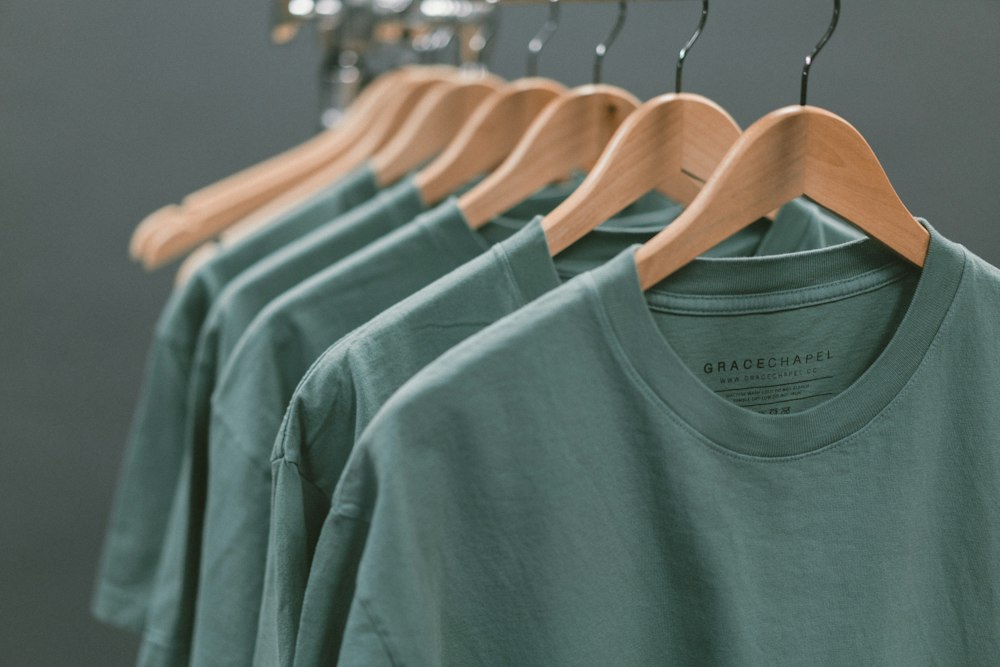

Searching for spiritual clothing USA often means you’re looking for something specific:
Not just “a cool graphic tee.” Not just “boho vibes.”
You want clothing that feels like a reminder—something you can wear into normal life that quietly says:
I’m trying to live with intention.
This guide is practical: how to choose symbols responsibly, what fabrics and fits tend to work for everyday wear, how to avoid empty slogans, and how to shop online in the USA without getting trapped in overclaims or confusion.
Quick answer: what is “spiritual clothing”?
Spiritual clothing is apparel that carries meaning through:
- symbols (geometry, numbers, protective motifs)
- words or phrases (values, reminders, intentions)
- colors or imagery that support inner work and self-awareness
It can be religious, non-religious, or simply values-led. The key is that it’s worn with intention—not just for aesthetic points.
1) Choose meaning first (so you don’t end up with “slogan fatigue”)
Start with one question:
What do I want to remember when I’m stressed, distracted, or reactive?
Examples of intentions people like:
- grounding
- courage
- compassion
- clarity
- patience
- liberation (values-led and constructive)
When your clothing reflects something real, you’ll wear it more often.
2) Symbols: a respectful, practical approach
Symbols can be powerful. They can also be misused.
A responsible approach:
- learn the basic origin and meaning
- avoid sacred symbols used as jokes or shock
- choose motifs you genuinely align with
If you’re unsure, choose universal symbols or simple value statements. You don’t need to “borrow identity” to dress with meaning.
3) Fabrics and comfort (the underrated spiritual practice)
If something is itchy, tight, or annoying, it won’t become part of your routine.
For everyday comfort, many people prefer:
- soft cotton blends
- breathable tees
- cozy hoodies you can repeat
When shopping, look for:
- fabric details (not just “premium” claims)
- care instructions you can realistically follow
Comfort isn’t shallow. It’s what makes consistency possible.
4) Fit: pick repeatable, not “perfect”
Spiritual clothing works best when it integrates into your real life.
Ask:
- Will I wear this to run errands?
- Would I wear it on a travel day?
- Does it work with my existing wardrobe?
If the piece only works in a very specific outfit, it may end up living in your closet as a “concept.”
5) Buying spiritual clothing online in the USA (without regrets)
Practical shopping checks:
- check size charts carefully
- read fabric and care details
- look for clear shipping and return policies
- don’t rely on photos alone—read the copy
If a brand uses print-on-demand or made-to-order, honest expectations are:
- it can reduce overproduction and unsold inventory waste
- but materials and fulfillment details vary by product and provider
Avoid brands that claim “eco-friendly” without details. Prefer clarity.
6) Style it simply (so the meaning doesn’t feel like a costume)
If you want meaning without performance:
- one statement piece + simple basics
- neutral colors around the message
- layers (jacket over a meaningful tee can feel more natural)
Spiritual clothing can be subtle. It doesn’t have to shout.
A simple spiritual capsule wardrobe (USA-friendly)
If you want spiritual clothing you’ll actually wear, build a small capsule around pieces that repeat easily.
Example 5-piece capsule:
- 1 meaningful tee (values or symbol you truly align with)
- 1 comfortable hoodie or sweatshirt (your “grounding layer”)
- 1 versatile overshirt/jacket (to layer the message)
- 1 pair of everyday bottoms you love (jeans or relaxed trousers)
- 1 pair of shoes you can live in
The spiritual part is not “having a lot.” It’s wearing with intention and consistency.
Outfit ideas (so it lives in real life)
Everyday errands
- meaningful tee + jeans + simple sneakers
Work-from-home / study
- cozy hoodie + relaxed trousers + socks you actually like
Travel day
- soft hoodie + layered tee + comfortable bottoms (comfort is the whole religion on travel days)
Social night (still you, just sharper)
- statement tee under an overshirt or jacket + clean shoes + one accessory
The goal is “I can wear this anywhere,” not “I only wear this when I’m in a spiritual mood.”
Shipping and “USA sanity checks” (without guessing)
Every brand’s logistics are different, so treat this as a checklist rather than a promise.
Before you buy, check:
- where the item ships from
- estimated delivery window
- return/exchange policy
- whether the piece is made-to-order or printed after purchase
Made-to-order and print-on-demand can be great for reducing overproduction and unsold inventory waste, but timing can vary—so clarity matters.
How to avoid overclaimy “eco” language
If a brand says “eco-friendly,” look for specifics:
- fabric details (organic cotton, recycled blends, etc.)
- certifications (when applicable and stated clearly)
- transparent production and fulfillment info
If details are missing, treat “eco” as a vibe word, not a verified claim.
If you’re buying spiritual clothing as a gift
Gifting spiritual clothing works best when you keep it:
- wearable
- respectful
- and personal to the receiver
Safer gift ideas:
- a cozy hoodie with a broadly human value (love, courage, peace, grounding)
- subtle symbols instead of tradition-specific motifs (unless you know their lineage well)
If you’re unsure about someone’s spiritual path, choose comfort-first and values-led over niche symbolism.
Choosing messages you can wear in diverse spaces
In the USA, you’ll wear your clothes around people with wildly different backgrounds, beliefs, and stress levels. If you want spiritual clothing that feels confident (not confrontational), choose messages that are:
- grounded in dignity and compassion
- specific enough to feel real, not vague
- free of “I’m better than you” energy
If you love bold symbolism but don’t want constant conversations, layer it:
- tee under a jacket
- hoodie under an overshirt
That way, your clothing can be for you first, and for “public messaging” second.
Care tips (so you don’t lose the meaning in the wash)
Practical basics:
- follow the care label
- wash inside-out when possible
- avoid overheating prints
Longevity is a values move: a piece you wear for years becomes part of your life story, not a short-lived trend.
Where ConsciousBuzz fits (lightly)
If you want to explore more:
- Spiritual clothing hub
- Spiritual wardrobe guide
- Browse pieces: Shop
FAQ
Is spiritual clothing only for religious people?
No. Spiritual clothing can be religious, cultural, or values-led. The key is meaning and intention, not a specific tradition.
How do I avoid buying “empty slogan” clothing?
Choose messages you genuinely live by. Look for specificity, respectful symbolism, and wearable designs you’ll repeat.
Is print-on-demand always eco-friendly?
Not automatically. It can reduce overproduction and unsold inventory waste, but materials and fulfillment practices vary. Prefer brands that share clear details.
How do I choose the right size when buying online?
Use the size chart, compare measurements to a similar item you already own, and read the fit notes if provided. If you’re between sizes, decide based on the look you want (closer fit vs relaxed fit). When returns are easy, you can also treat your first order as a “fit test” and then repeat what works.
Can spiritual clothing be minimalist?
Absolutely. Minimal spiritual clothing is often the most wearable: one small symbol, one clear value, or a subtle design that feels like a private reminder. If you want something you’ll repeat weekly, minimalist usually wins.
Spiritual clothing works best when it supports your daily practice, not when it demands a “special occasion.” Repeatability is the real magic.
Choose comfort, clarity, and meaning you actually live.
Reader checklist before you act
Use Spiritual clothing in the USA: a practical guide to meaningful pieces (fit, fabrics, symbols, and shipping sanity) as a small checklist, not a pressure campaign. First, ask whether the message or symbol is something you understand well enough to explain simply. Second, check whether the product details are specific enough to trust: material notes, fit guidance, print method where available, and care instructions. Third, imagine wearing the piece ten times, not once. Repeat wear is where meaning becomes part of daily life instead of a one-day mood.
For spiritual clothing, the best choice is usually the one that balances feeling and clarity. You want enough emotion to care, but enough restraint to avoid turning the item into a performance. If the message is spiritual, let it support practice. If the message is activist, let it support constructive public conscience. If the message tries to do everything at once, pause. Clothing has limited space, and so does the human nervous system. For this particular guide, the useful test is whether the reader can act on it this week. For this guide, the value is in making “Spiritual clothing in the USA: a practical guide to meaningful pieces (fit, fabrics, symbols” feel specific enough to act on.
A good final move is to pair the piece with one grounded habit. Wear it on a day when you want to remember your values, then do one related thing: read, reflect, volunteer, rest, repair, donate, learn, forgive, or speak with more care. That is how apparel becomes more than a graphic. It becomes a reminder attached to behaviour, and behaviour is where the real story lives. That is why “Spiritual clothing in the USA: a practical guide to meaningful pieces (fit, fabrics, symbols, an” needs practical texture, not just a pleasant idea.
Final thought
The best approach to spiritual clothing USA is not to hunt for the perfect group. Start with one clear, beginner-friendly option, notice how it feels, and repeat the parts that make you want to come back. Real community usually begins with a small plan that is easy enough to do again.