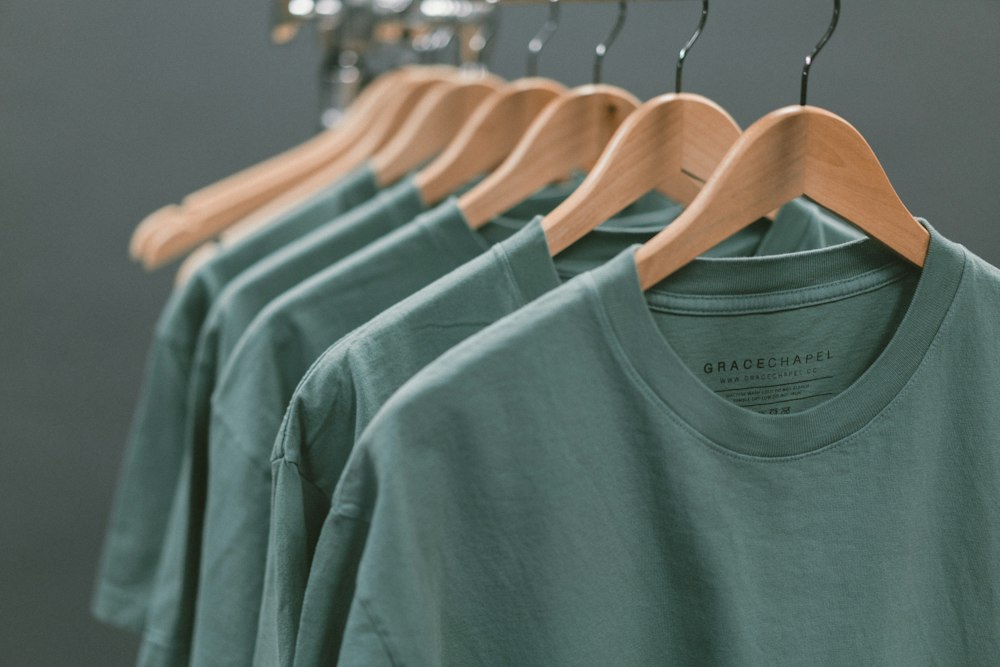

A capsule wardrobe is basically the opposite of panic shopping.
It’s the decision to own fewer pieces that you actually like, actually wear, and can mix together without needing a spreadsheet (or a fashion identity crisis) every morning.
And a streetwear capsule wardrobe is especially useful because streetwear already has a built-in superpower:
comfortable basics that look good when repeated.
This guide gives you a realistic “10 pieces, 30 outfits” approach — with conscious shopping rules that help you buy less without turning your life into a minimalist performance.
First: what makes a capsule “conscious” (without the guilt spiral)
“Conscious” doesn’t mean perfect.
It usually means:
- you buy less
- you wear what you own more
- you choose pieces that fit your real life (so they don’t become waste)
- you avoid impulse purchases that die in the back of your closet
If you do those things, you’re already reducing churn — which is one of the most practical levers most people have.
The biggest capsule mistake: building it for an imaginary life
People build a capsule for:
- “my Paris creative director life”
- “my gym influencer life”
- “my always-going-out life”
Then they wake up and realize they actually live: in normal time.
Build for your real week: work, errands, travel, friends, walks, quiet days, “I want to be comfortable but still look like myself” days.
The 10-piece streetwear capsule (simple and flexible)
This is a starter capsule. You can adapt it.
Tops (4)
1) two tees you love (one neutral, one with personality) 2) one long-sleeve or heavier tee (layering hero) 3) one hoodie or sweatshirt (your anchor piece)
Bottoms (3)
4) one pair of straight-leg jeans (easy, timeless) 5) one pair of relaxed trousers or cargo-style pants (streetwear structure) 6) one pair of comfortable pants (joggers or similar)
Layers (2)
7) one overshirt / light jacket (makes outfits intentional) 8) one warmer outer layer (for your climate)
Shoes (1)
9) one pair of clean everyday sneakers (the glue)
Bonus (not counted): one hat/beanie or simple accessory if it’s truly “you.”
If you’re thinking, “That’s not enough clothes,” remember: we’re building outfits by mixing, not by collecting.
Color strategy: how to make 10 pieces feel like 30 outfits
Pick a base palette (2–3 neutrals):
- black / charcoal
- white / cream
- navy / gray / olive
Then pick one accent color you genuinely like wearing.
Why it works: when your palette is coherent, everything mixes. Your closet becomes a system, not a negotiation.
Outfit formulas (the “30 outfits” part)
You don’t need 30 unique fashion moments. You need repeatable formulas.
Here are a few that stretch a capsule:
Formula 1: Tee + jeans + sneakers
The baseline. Make the tee fit well and you’re done.
Formula 2: Tee + trousers + overshirt
Instant “I tried” energy, without discomfort.
Formula 3: Hoodie + jeans + jacket
Classic streetwear layering. Comfortable and structured.
Formula 4: Long-sleeve + trousers + sneakers
Clean, slightly elevated, still casual.
Formula 5: Hoodie + comfortable pants + clean sneakers
The “real life” outfit. Nothing to prove.
Now mix and match: swap jeans for trousers, swap tee for long-sleeve, swap overshirt for jacket. That’s how 10 pieces become many outfits.
The “buy less” rules (practical, not moralizing)
Rule 1: Two-week pause
If you want a piece, wait two weeks. If you still want it, and it fits your capsule, consider it.
Rule 2: Three-outfit test
Before buying, you must be able to name three outfits using pieces you already own.
Rule 3: Comfort test
If it’s not comfortable enough to wear on a normal day, it won’t be worn.
Rule 4: Repeat test
Ask: “Would I wear this once a week?” If no, it’s probably not capsule-worthy.
Rule 5: Replace before you add
If you add something new, consider what it replaces or upgrades. Capsules stay functional by staying intentional.
“Conscious” shopping talk (keep it honest)
It’s tempting to look for a perfect solution: the perfect fabric, the perfect supply chain, the perfect guarantee.
Realistically: impact varies by materials, manufacturing, transport, and how long you wear the item.
One of the most reliable personal-impact moves is: buy fewer items and wear them longer.
If you’re buying printed/on-demand items, it can reduce overproduction and unsold inventory waste — but materials and fulfillment practices vary. The most honest approach is to choose pieces you’ll wear repeatedly and care for well.
Care tips (because “conscious” includes keeping things alive)
If you want your capsule to last:
- wash less often (spot clean when you can)
- wash cold when possible
- air dry when possible
- avoid harsh heat on prints
Your clothes live longer when you treat them like tools, not disposable trends.
How to keep your capsule working (without getting bored)
Two simple habits keep capsules from turning into “I wear the same thing forever” fatigue:
1) Track what you actually wear for two weeks
Nothing fancy — just a note in your phone.
You’ll quickly see:
- which pieces do the most work
- which pieces you thought you loved but never reach for
That information is gold. It tells you what to replace or upgrade next.
2) Swap one “personality piece” per season
Your base can stay steady. Your personality can rotate.
Examples:
- one new graphic tee
- one new layer (overshirt, jacket)
- one accessory you genuinely use
Capsules stay fresh when you change a small piece, not the whole system.
A realistic 7-day capsule reset (no shopping required)
If your closet feels chaotic, you don’t need a “new wardrobe.” You need a reset.
Try this seven-day plan:
- Day 1: Pull 10 pieces you actually wear (don’t overthink). Put them on one side of the closet.
- Day 2: Make 5 outfit formulas from those pieces (take mirror photos so you remember).
- Day 3: Identify the “friction item.” The one thing that ruins outfits (itchy tee, stiff jeans, too-short hoodie).
- Day 4: Create a laundry rhythm that supports the capsule (so your best pieces aren’t always “in the wash”).
- Day 5: Pack a “go-bag outfit.” One outfit that works for errands, travel, and meeting a friend.
- Day 6: Do a one-week wear test. What do you reach for when you’re tired and in a hurry?
- Day 7: Decide one upgrade only. If you buy anything, replace the friction item — don’t add a random new personality.
This is how you build a capsule that feels like your real life, not a Pinterest mood board.
Where ConsciousBuzz fits (if you want streetwear with meaning)
If you want pieces that sit at the intersection of spirituality, activism, and streetwear, you can browse:
- Conscious streetwear: https://consciousbuzz.com/conscious-streetwear/
- Shop: https://consciousbuzz.com/shop/
- Blog: https://consciousbuzz.com/blog/
The capsule principle still applies: choose one piece you’ll actually wear, then build slowly.
FAQs
Can a capsule wardrobe still be fun?
Yes. Fun comes from styling, not from owning 50 options.
A capsule can still include bold pieces — just not a closet full of one-day personalities.
What if my style changes?
It will. You’re a person.
That’s why capsules work best when they’re flexible: neutrals + one or two personality pieces you can swap over time.
Do I need exactly 10 pieces?
No. It’s a starting framework.
Your “right number” is the number that lets you get dressed easily, feel like yourself, and stop buying out of stress.
Final take
A streetwear capsule wardrobe is not about being minimal for applause.
It’s about freedom: less decision fatigue, fewer impulse buys, and more outfits you actually like wearing.
Start with 10 pieces. Build 5 simple outfit formulas. Wear them until they feel like home.
That’s the most realistic “conscious” wardrobe strategy most people can actually sustain.
Reader checklist before you act
Use Conscious streetwear capsule wardrobe: 10 pieces, 30 outfits, and buying less (realistically) as a small checklist, not a pressure campaign. First, ask whether the message or symbol is something you understand well enough to explain simply. Second, check whether the product details are specific enough to trust: material notes, fit guidance, print method where available, and care instructions. Third, imagine wearing the piece ten times, not once. Repeat wear is where meaning becomes part of daily life instead of a one-day mood.
For conscious streetwear, the best choice is usually the one that balances feeling and clarity. You want enough emotion to care, but enough restraint to avoid turning the item into a performance. If the message is spiritual, let it support practice. If the message is activist, let it support constructive public conscience. If the message tries to do everything at once, pause. Clothing has limited space, and so does the human nervous system. This keeps the guidance tied to “Conscious streetwear capsule wardrobe: 10 pieces, 30 outfits, and buying less (realistically)” instead of drifting into a generic checklist.
A good final move is to pair the piece with one grounded habit. Wear it on a day when you want to remember your values, then do one related thing: read, reflect, volunteer, rest, repair, donate, learn, forgive, or speak with more care. That is how apparel becomes more than a graphic. It becomes a reminder attached to behaviour, and behaviour is where the real story lives. That is why “Conscious streetwear capsule wardrobe: 10 pieces, 30 outfits, and buying less (realistically)” needs practical texture, not just a pleasant idea.
Useful sources and local checks
Final thought
The best approach to streetwear capsule wardrobe is not to hunt for the perfect group. Start with one clear, beginner-friendly option, notice how it feels, and repeat the parts that make you want to come back. Real community usually begins with a small plan that is easy enough to do again.
Related guides