
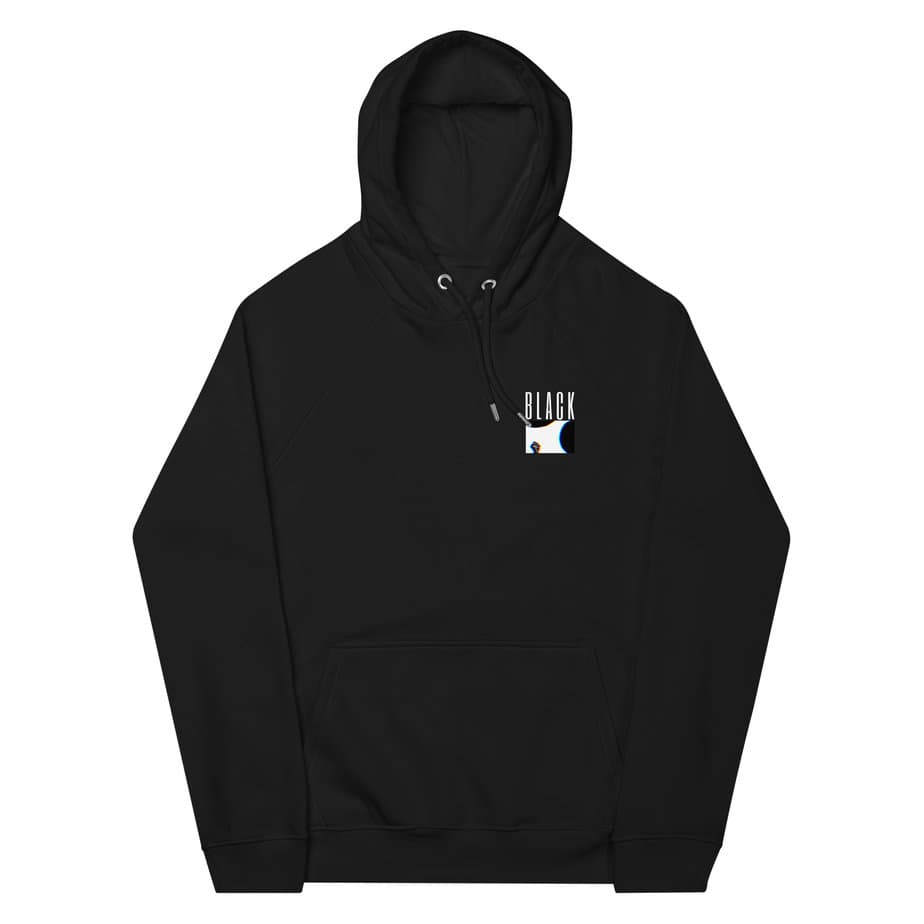
Spiritual activism clothing connects a visible message with a commitment to act thoughtfully in public life. A phrase about freedom, compassion or courage can remind you what matters while you go about an ordinary day. The garment does not prove that you have lived up to the message, and you do not need special clothing to take part in meaningful work.
The useful question is specific: what would this value ask of me today? Freedom might mean listening when someone describes a restriction you have never faced. Compassion might mean making a practical offer of help. Courage might mean admitting that you got something wrong. Those actions give the words somewhere to go.
Begin with a commitment you can describe
Choose a message you can explain in your own words. You do not need a polished speech, but it helps to know why the phrase matters to you. “This reminds me to speak up when someone is excluded” is more grounded than a collection of impressive spiritual terms you would not otherwise use.
Think about the setting where you will wear it. A bold graphic may feel natural at a music event and less comfortable in a workplace. A quieter design may suit someone who wants a private reminder rather than frequent questions. Visibility is a personal choice, not a scale of commitment.
Our spiritual clothing guide considers how symbols and daily routines can meet. Start there if you are still working out what a particular design means to you. You are allowed to keep learning before choosing a public statement.
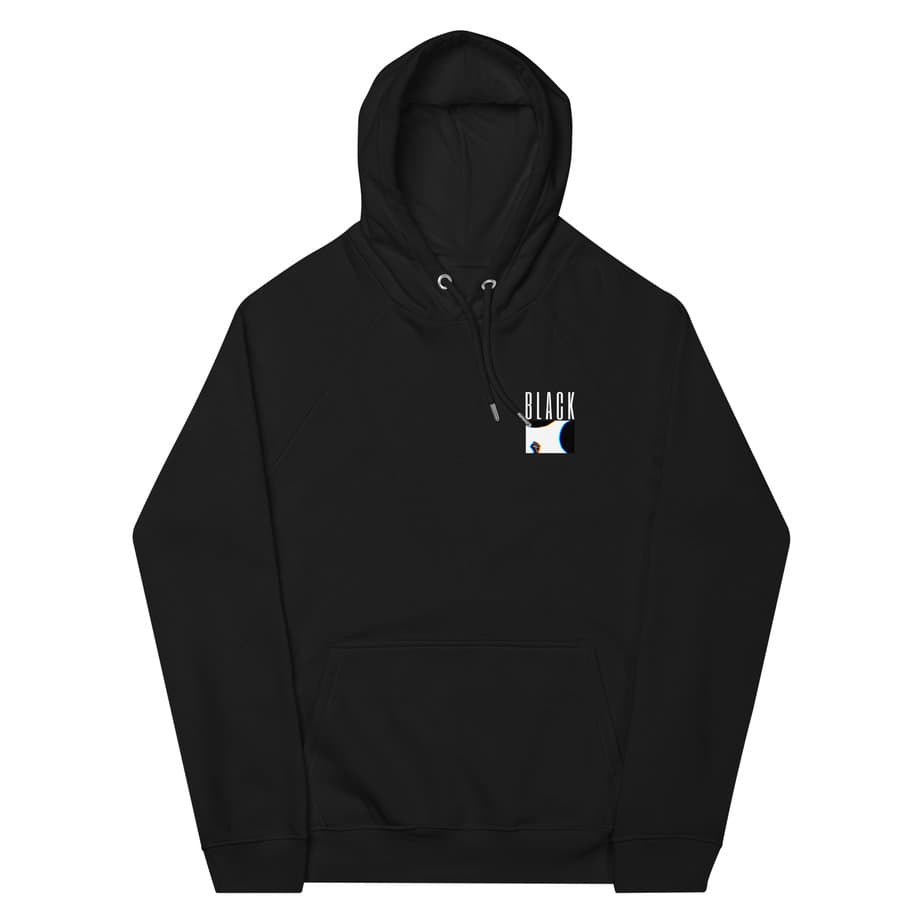
Understand the words beyond the product photo
A word can carry several histories. Freedom may have personal, political or religious meanings depending on who reads it. Avoid assuming that your interpretation is the only one. If someone asks about your clothing, you can explain your own intention without claiming to speak for everyone connected to the issue.
ConsciousBuzz uses BLACK to mean Boldness, Love, Abundance, Consciousness and Karma. The BLACK explanation describes that particular message. It does not replace the many cultural meanings of black or claim that wearing the word gives someone a particular identity.
Learn about any sacred or community-specific symbols before displaying them. Check whether the design is presented respectfully and whether the seller explains its source. If the meaning remains unclear, choose a phrase you understand instead of relying on mystery to make the garment feel significant.
Connect inward reflection with outward responsibility
Imagine wearing a word about care while helping to prepare a community meal. You notice that the plan assumes everyone can stand at a serving table. Your commitment could be to ask the organiser how people who need seating can participate, then help arrange the agreed change. This is a hypothetical example: the useful action comes from the actual needs people describe.
A private practice can help you notice when your behaviour and values diverge. Perhaps you want to be patient but keep dismissing a colleague, or you speak about fairness while leaving routine work to someone else. A reminder on clothing can prompt you to notice the moment; it cannot do the repair.
Choose one small action attached to the message. If your word is care, ask what support is actually wanted. If it is truth, check a claim before sharing it. If it is courage, raise a concern clearly without humiliating another person. The action should fit the situation rather than simply produce a satisfying photograph.
For more reflection, the prompts for activists and creatives explore defensiveness, recognition and boundaries. They are questions to consider, not a test of whether you deserve to wear a particular word.
Be clear about what a purchase supports
Buying an item supports the seller through the sale. Any additional claim about donations, campaign membership or charitable support needs its own evidence. Look for a named organisation and an explanation of the arrangement. A slogan about a cause does not establish that money reaches people working on it.
If giving to a cause is your main aim, consider a direct route identified by the organisation itself. The FTC guide to giving to charity offers practical checks before donating. You can appreciate a garment and assess a donation separately.
Also keep environmental claims separate from the message. Words such as conscious or mindful do not verify materials, working conditions or the impact of an individual item. Ask what the seller can substantiate. There is no need to turn a meaningful design into a claim that the entire purchase is beyond criticism.
Make room for people who express commitment differently
Some people cannot safely display their views at work, at home or in public. Others prefer to help privately. Do not judge their concern by whether they wear a slogan, join a photograph or share an announcement. Visible participation is only one part of what people may be doing.
At a gathering, ask before photographing others or posting identifying details. A group can welcome enthusiasm while respecting someone’s wish to stay out of the image. Their boundary does not need a public explanation.
If you organise an activity, make participation possible in ordinary clothes wherever practical. Tell people about any actual safety or task requirements, such as suitable footwear, without creating a fashion expectation. A cause should not acquire an unofficial uniform just because a photograph would look coordinated.

Choose clothing that can accompany the activity
Think about how you move and what the day involves. A volunteering session may require sleeves that stay out of the way. An outdoor gathering may involve changing weather or long periods standing. Read the organiser’s practical information and use your own needs to choose suitable clothing.
When buying, compare measurements, fabric composition and care information. Check that the print remains readable in the size and colour you select. A beautiful design on a garment you find uncomfortable will probably spend more time folded away than accompanying your commitments.
You can repair, restyle or continue wearing something you already own. The message need not be printed at all. A note in a pocket or a familiar object can carry an intention privately while your actions make it visible.
Have the conversation with curiosity
If someone asks about a phrase, start with its meaning to you. Ask what they heard in it if there seems to be a misunderstanding. You can acknowledge differences without trying to settle a complicated issue beside the checkout.
You can also decline a conversation. A simple “It is meaningful to me, but I am not available to discuss it right now” is enough. Wearing a message does not remove your right to boundaries, especially if another person becomes hostile.
Let the commitment outlast the outfit
If a message no longer represents your views, you can stop wearing it without making a public declaration. Consider whether the garment can still be used in another way, such as under a layer, before deciding what to do with it. Changing your mind after learning more is compatible with taking symbols seriously. You do not have to defend an old purchase indefinitely.
At the end of the day, consider one moment when the value mattered. Did you listen, follow through or make a needed correction? The answer may be imperfect. You can use it to choose a better response next time without treating the garment as either a success or a failure.
Spiritual activism clothing is most useful when it accompanies a life already in motion. Choose words carefully, respect other people’s context and keep practical commitments modest enough to honour. The fabric can hold the message while you decide how to live with it.