
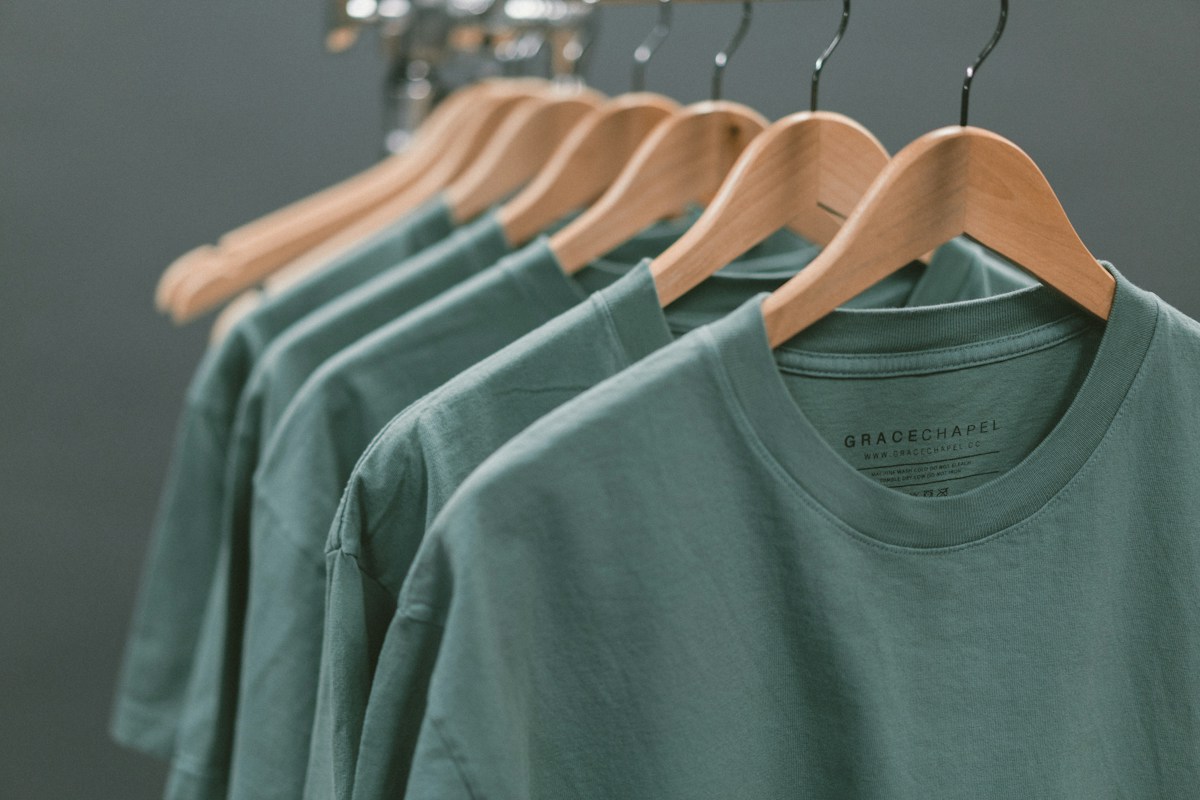
Spiritual apparel for men can be straightforward: a comfortable garment, a message you understand and a shape that fits the way you live. You do not need to adopt a new costume or follow somebody else’s idea of what a spiritual person looks like. Start with the clothes you already enjoy and consider whether a symbol or phrase would add something personal.
Men are not one body type or one style. A person who prefers fitted shirts may want a different cut from someone who likes loose layers. Work requirements, sensory preferences and climate matter more than a generic picture of masculine clothing.
Use your best-fitting garment as a reference
Lay out a shirt you wear comfortably and measure it at the points a seller’s chart specifies. Check chest width, body length and sleeves where those measurements are available. Confirm whether the chart describes the garment or the body it is intended to fit.
If you wear tees tucked in, length matters differently than it does for an untucked style. If you reach, lift or sit for long periods during the day, pay attention to movement. Shoulder seams and armholes can make two shirts of similar width feel quite different.
A size name is only a starting point. Choosing a larger or smaller label to get the fit you want says nothing about your body or identity. The garment should serve you, rather than the other way around.

Choose the amount of visibility you want
A small symbol near the chest can feel private even when it is visible. A large slogan creates a different relationship with the room. Neither is inherently more sincere. Think about whether you want the design mainly as a reminder to yourself or as something other people will notice quickly.
Try imagining the garment in several ordinary situations: travelling to work, meeting a friend or visiting family. If a design feels right only in one imagined photograph, it may be more limited than you want. A special-occasion piece can still be enjoyable, provided you recognise it as such.
Our guide to everyday spiritual apparel explores how meaning can sit within normal routines. You can keep the outfit simple and let one item carry the visible message.
Know what the design refers to
A phrase about courage or compassion may connect with your own experience. A religious symbol may carry teachings and expectations you need to learn about. Avoid treating every unfamiliar motif as a general sign of depth. Specific meaning deserves specific attention.
Ask what drew you to it. Was it the artwork, a memory, a belief or a value you want to practise? You can appreciate the visual design while acknowledging that you are still learning its context. There is no need to claim a level of knowledge you do not have.
The meaning of BLACK at ConsciousBuzz offers one example of an explained message. Its five words can be considered individually, without assuming that wearing the design says everything about the person wearing it.
Work with the proportions you already like
If you usually wear straight trousers, try the proposed tee with that silhouette before adding other new pieces. A longer top may work under an open overshirt but bunch beneath a shorter jacket. A bulky hoodie may fit comfortably by itself and poorly under your usual coat.
Take a quick photograph for yourself if that helps compare combinations, then move around. Sit, reach forward and put your bag on. Comfort during movement is information that a mirror cannot supply on its own.
Colour can also change how prominent a design feels. A low-contrast print may be quiet at a distance; a bright graphic can become the focus. Choose the effect you prefer rather than assuming meaningful clothing must be dark, neutral or solemn.
Keep comfort questions practical
Check the fabric composition and any available information about weight or texture. If you dislike certain seams or labels, ask before ordering. A seller may not be able to answer every sensory question, but you can identify the uncertainty instead of treating a photograph as proof.
Read the care requirements too. The FTC’s clothing and textiles resources provide context for fibre and care labels. Use the instructions supplied with the specific garment rather than guessing from its appearance.
If an item needs care you cannot manage, another option may suit you better. Choosing practicality does not diminish the meaning you wanted to express. A shirt that stays in the drawer because laundry is a struggle is unlikely to become a familiar reminder.

Let a value influence one response
If a message concerns calm, choose a realistic moment to practise it: pausing before answering a frustrating email or listening to the end of a sentence. If it concerns courage, identify a conversation you have been avoiding and prepare what you need to say.
Keep the action separate from any idea that the garment changes you by itself. Clothing may remind you of an intention, but behaviour still involves choices, habits and circumstances. You can practise the same value on the day the shirt is in the wash.
For the connection with public responsibility, read about spiritual activism clothing. It considers how a visible phrase can accompany practical action without becoming a substitute for it.
Buy without making the order a new identity
It can be tempting to imagine that one purchase will make a new habit feel settled. Give the intention time before deciding how much clothing it needs. You may want one piece, a different kind of reminder or no purchase at all.
If you do order, check delivery and return information for the specific item. Keep the description and measurements you relied on. When it arrives, compare what you received with those details before removing anything that might affect an exchange.
Environmental or ethical claims need their own evidence. A spiritually themed design does not establish how an item was made. Ask for specific information rather than assuming that a values-led name guarantees every aspect of production.
Make room for your own version of the style
For a more specific comparison, imagine you usually wear your shirts tucked into trousers at a casual workplace. A large low print may disappear or become difficult to read when tucked in. A smaller chest design could remain visible, while a plain shirt might suit a setting where you prefer not to discuss personal beliefs. Check the actual dress requirements and choose the amount of disclosure that feels right for you.
On a day off, the same shirt may work untucked under an open overshirt. Try it with the shoes and bag you already use rather than replacing the whole combination. If the graphic only works when every other element changes, consider whether that limited use matches what you wanted from the purchase.
You can also separate the preferences you inherited from those you enjoy now. A belief that men should only wear dark colours need not decide your wardrobe. Try a colour privately, notice your own response and keep or reject the option without treating it as a statement about anyone else’s masculinity.
You can wear a bright tee, a plain layer, a bold print or a subtle symbol. You can change your mind about what feels comfortable. There is no need to dress as a spokesman for every idea connected with the word spiritual.
Choose a piece that fits well enough to become part of your actual week. Understand the message, respect its context and let it accompany the work of living by your values. A useful garment can be personal without asking you to perform a different personality.