

What nonviolent activism means
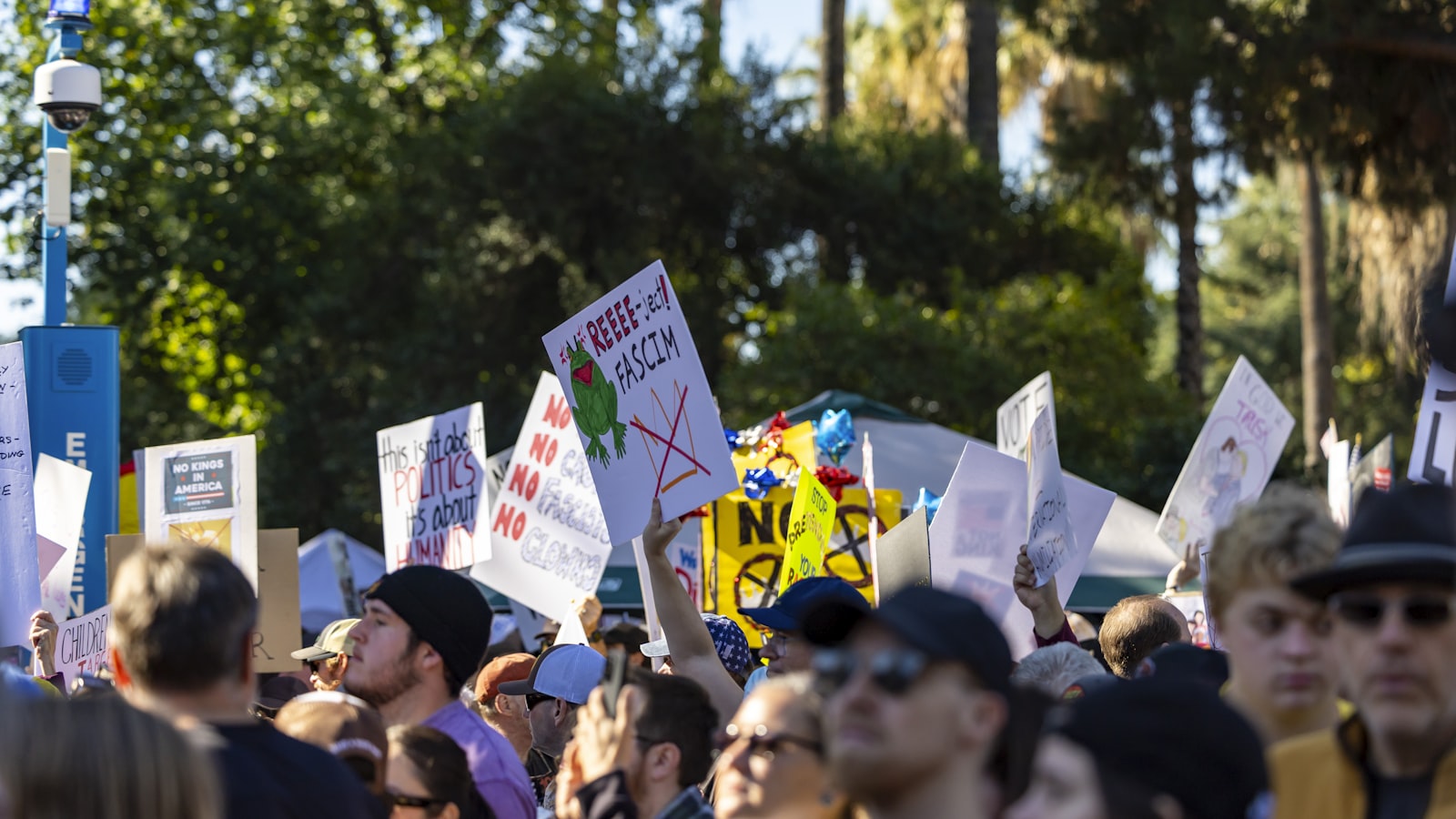
Nonviolent activism means pursuing change without making harm the tool or the tone. It does not mean passivity. It does not mean silence. It means the method should reflect the dignity being defended. There is a spiritual strength in that choice. Nonviolence asks a person to carry anger without letting anger become the whole self. It asks courage to stay connected to compassion. It asks public conscience to remember that every person is more than a conflict. In practice, nonviolent activism can include education, peaceful public witness, civic participation, art, community support, letters, donations, boycotts, mutual aid, storytelling, and steady local service.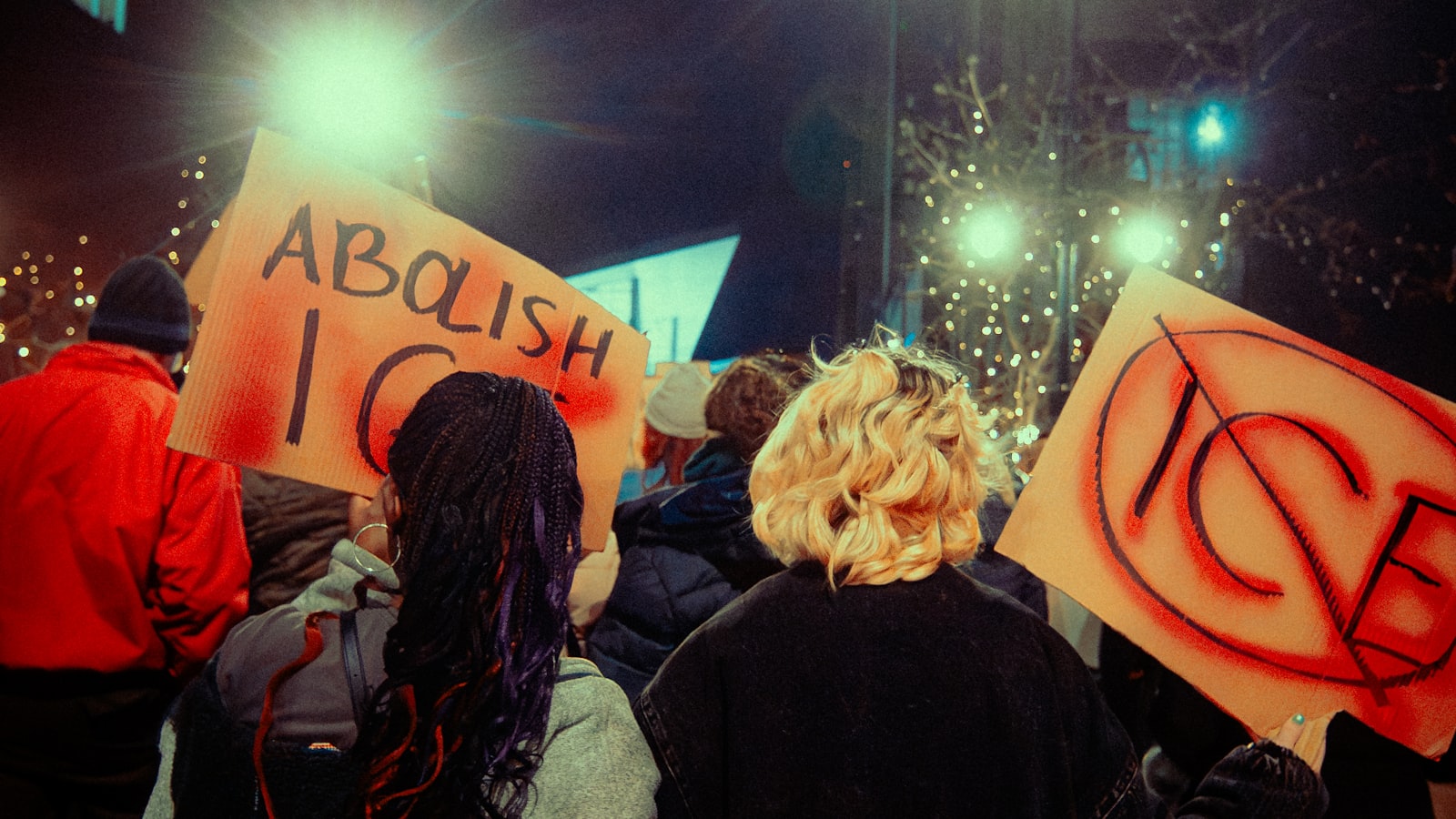
Why 2026 needs public conscience
Public life in 2026 feels intense because many people are trying to make sense of freedom, identity, climate pressure, conflict, inequality, technology, migration, censorship, corruption, and human rights all at once. The emotional temperature is high. In that atmosphere, nonviolent activism matters because it offers a way to stay awake without becoming cruel. It asks people to resist the easy pleasure of contempt. It also asks people not to confuse peace with avoidance. The harder middle is the useful one: courageous enough to care, calm enough to stay human.Courage and compassion together
Courage without compassion can become harsh. Compassion without courage can become silence. Nonviolent activism needs both. Courage names what is wrong. Compassion refuses to erase the humanity of the people involved. This combination is especially important in digital spaces, where humiliation can look like justice for a few minutes. A nonviolent posture asks whether the message will still feel worthy after the rush fades. That does not mean every conversation must be gentle. Some truths are hard. But hard truth can still be spoken with dignity.How to stay positive without becoming naive
Positive activism does not mean ignoring pain. It means choosing a kind of hope that can look reality in the face without flinching. Naive positivity says, “everything is fine.” Mature positivity says, “everything is not fine, and I still have a responsibility to choose conscience.” That difference matters in daily life. Hope should not float above the world like a scented candle in a storm. It should help people stay useful, honest, and humane when the world feels difficult.Constructive civic participation ideas
- Learn from credible sources before sharing claims.
- Support local organizations doing careful community work.
- Contact elected representatives where appropriate.
- Vote, help others register, or share nonpartisan civic resources.
- Create art, writing, music, or clothing that keeps values visible.
- Check on people directly affected by an issue.
- Practice conversations that do not begin with contempt.
Clothing is a reminder, not the work
Apparel can be one visible expression of conscience. A hoodie, t-shirt, hat, tote, or mug can remind someone to choose courage with compassion, but it cannot replace learning, service, listening, civic participation, or community care. That boundary matters. Nonviolent activism should stay rooted in human dignity. Clothing can make the value visible; the person still has to practice the value in public life. A Freedom Now piece, for example, can keep freedom close to the body during ordinary life. The message is strongest when the wearer also lives toward freedom in speech, choices, and care for others.What nonviolence can look like daily
Daily nonviolence may look like refusing to mock people while still disagreeing clearly. It may look like checking facts before sharing a claim, supporting someone affected by an issue, or choosing language that keeps dignity at the center. It can also look like community care: making calls, bringing food, sharing resources, listening without rushing to perform expertise, or showing up consistently for a local cause. These actions are not often dramatic, but they build trust.The hard part is not staying calm
People sometimes misunderstand nonviolence as a request to be mild. That is not it. The hard part is not staying calm because nothing matters. The hard part is staying principled because something matters very much. Anyone can be peaceful when nothing is at stake. The real test comes when the issue touches dignity, identity, safety, freedom, money, family, land, speech, or the future. That is when the nervous system wants to grab the microphone and start making speeches it may later regret. Nonviolent activism says: feel the heat, but do not hand it the steering wheel. Speak clearly. Stand firmly. Refuse to make harm your personality.What this sounds like in conversation
Nonviolence can be surprisingly practical. It might sound like, “I disagree with that, and here is why.”. It might sound like, “I need to check the facts before I share this.”. It might sound like, “That language makes it harder for people to hear the point.” It might even sound like silence, when silence may help reduce a useless argument from becoming the main event. This is not about being well suited. It is about returning to conscience faster. A person can care about human rights, climate, public freedom, community safety, and identity without turning every conversation into a courtroom drama. That is the standard to keep visible: courage with compassion, conviction without cruelty, and public conscience that still leaves room for a human being on the other side of the sentence.A small scene most people recognize
Picture a conversation getting tense. Someone says something careless. Someone else replies too sharply. Suddenly the original issue is no longer the issue. Now many people is defending tone, pride, memory, politics, and the sacred right to have the last word. Congratulations, the conversation has left the building. Nonviolent activism tries to interrupt that spiral. It does not ask people to swallow the truth. It asks them to keep the truth from being buried under contempt. That can look like slowing down, asking a better question, naming the harm clearly, or choosing to return later when the conversation can hold more honesty. This is difficult because contempt feels efficient. It gives the brain a quick reward: I am right, they are wrong, case closed. But public conscience needs more than that. It needs a way to keep people reachable whenever possible while still protecting the dignity of those harmed.Why facts still matter
Nonviolent activism also needs facts. Compassion without accuracy can spread confusion. Courage without evidence can become noise. Before sharing a claim, especially in a charged moment, pause long enough to ask where it came from, who verified it, and whether sharing it helps anyone beyond your own need to react. That is not glamorous advice, but it is powerful. Movements lose trust when they become careless with truth. Truth should be treated as something to honor, not something to bend because the story would hit harder that way.Where apparel belongs
A peaceful message on clothing is not enough by itself, but it can help a person remember the standard they want to live by. A hoodie, t-shirt, hat, tote, or mug can carry the reminder into ordinary public life. That is the bridge between spirituality and activism here. The inner work asks for conscience. The outer work asks for courage. The clothing keeps the reminder visible while the person keeps doing the human part.Common mistakes to avoid
Avoid mistaking nonviolence for weakness. Avoid mistaking cruelty for courage. Avoid making every issue about your own identity as a good person. Avoid using spiritual language to pressure people into silence. The goal is public conscience: awake, compassionate, brave, and grounded.FAQ
What is nonviolent activism?
Nonviolent activism is action for change that does not use harm as its message or method. It can include education, community care, civic participation, public witness, art, writing, and solidarity.
Does nonviolent activism mean staying silent?
No. Nonviolent activism can be direct and courageous. It means speaking or acting with dignity, discipline, and care rather than dehumanizing language or harm-promoting tactics.
How can apparel connect to nonviolent activism?
Apparel can keep values like courage, compassion, and public conscience visible in daily life. It is a reminder, not a replacement for learning, service, and civic participation.
References and further reading
- Harvard Kennedy School: Gen Z and nonviolent protest trends
- Amnesty International: 2026 human rights context
- EarthDay.org: 2026 environmental action context
- ACLU: Protesters rights