
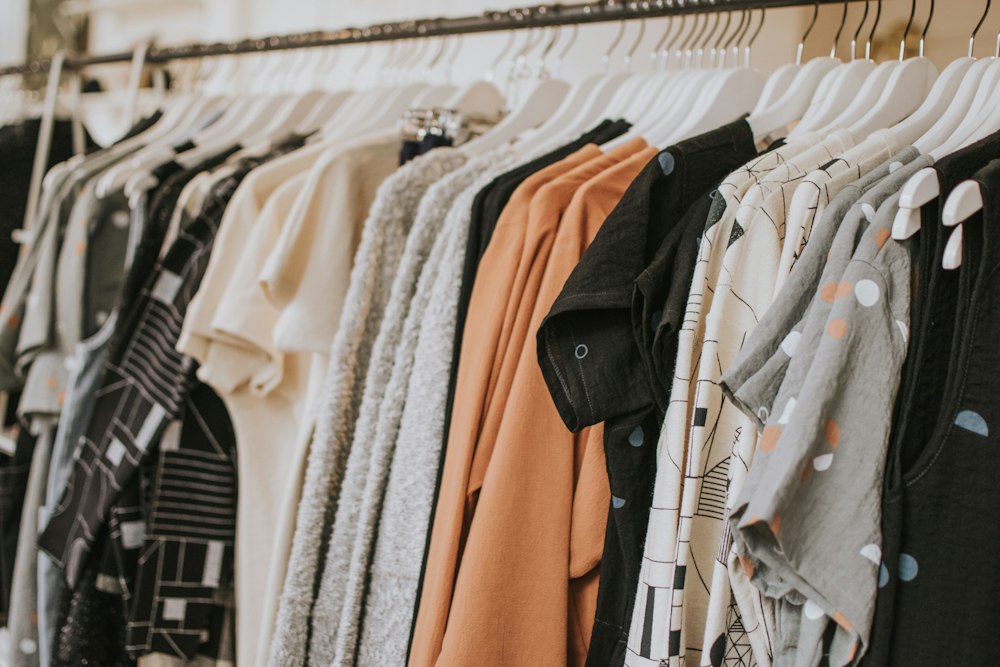
A conscious clothing brand should be able to answer ordinary clothing questions. What is this made of? How does it fit? What does the message mean? What happens if the parcel contains the wrong item? An inspiring homepage cannot replace those answers. Use this checklist to compare the actual garment with the story surrounding it.
You do not have to become a supply-chain specialist to buy a hoodie. Nor should you have to accept vague virtue language because the brand seems sympathetic. The goal is to identify which facts are available, which claims remain unsupported, and whether the item earns a place in your wardrobe. A small, well-explained range can be easier to assess than a large catalogue of promises.
Begin with the piece you intend to buy
Open one product page rather than judging the whole shop from its best photograph. Record the fibre composition, available measurements, care instructions, price and dispatch estimate. If the brand sells several garment types, do not assume a statement about one T-shirt applies to its hoodies, hats or accessories.
Then look for photographs that show the parts you care about. A front view reveals a design; it may tell you little about the side seams, hood, cuffs or reverse. If a product image is a digital mockup, use it to assess the proposed graphic rather than treating it as close-up evidence of the finished fabric or stitching.
Suppose two shirts carry a similar message. One listing gives a measurement chart and fibre percentages; the other describes only an “ethical lifestyle.” The first page gives you more to work with, even if its photography is less polished. That does not certify the first shirt, but it makes a reasoned comparison possible.

Quality means suitability, not simply thickness
Start with how you will use the garment. A heavy hoodie may suit cold evenings and feel cumbersome under a fitted coat. A lighter tee might be comfortable indoors but less opaque than you prefer. Neither characteristic is inherently a defect. Ask whether the garment matches your climate, layering needs and sensitivity to texture.
Compare its measurements with a piece you already own and enjoy. Use the same measuring method as the retailer, paying attention to whether numbers describe a body or a laid-flat garment. Check length as carefully as width. A shirt can fit around the chest while being inconveniently short when you reach for a shelf.
For a physical item you can inspect, look at seam alignment, loose threads, print edges and how the fabric hangs. These observations help you decide whether to ask further questions; they do not predict a precise lifespan. Treat a retailer's durability claim cautiously unless it explains how the claim was tested and what care conditions apply.
Ask what the message asks of the wearer
Read the entire design, including small print and text on the back. Would you be comfortable explaining it in a normal conversation? Does it express a value you support, or make a factual claim you have not checked? An attractive typeface does not make an inaccurate statement more defensible.
If a design uses a spiritual symbol, ask where it comes from and how the brand explains it. A seller should not need to promise supernatural effects to explain an image. Where a symbol belongs to a living tradition, seek that community's own account instead of relying only on a commercial description of its meaning.
For help choosing a message that feels natural in daily wear, the spiritual wear guide concentrates on personal meaning and practical fit. If your interest is public advocacy, evaluating activist clothing brands examines the evidence behind campaign language.
Separate production details from environmental promises
“Printed after ordering” describes a timing decision. “Organic cotton” describes a material claim. “Recycled mailer” describes packaging. They answer different questions and should not be allowed to merge into one reassuring impression. Identify exactly which object and process each sentence covers.
The FTC's environmental claims guidance calls for specific qualifications rather than broad, unqualified environmental benefits. It is US marketing guidance, but the underlying reading technique is useful: ask what measurable attribute supports the phrase and what limitations are left out.
If a certification is mentioned, look for the scheme name and a way to check the relevant licence or certified product. Do not assume certification from a green colour scheme or an unfamiliar seal. Ask whether the claim covers the fibre, the blank garment, the print, the facility or the finished item being sold to you.

Look for a clear account of the brand's role
A clothing business may design graphics, buy blanks, outsource decoration or work with several suppliers. None of those arrangements tells you everything about working conditions. A useful explanation names what the company does itself and what it asks other companies to do. Unclear ownership of a process makes follow-up questions harder.
Ask whether the supplier information is current and relevant to the selected product. A report from several years ago may still offer background, but it is not automatic proof of today's production. Similarly, a photograph of a workshop without a date, location or explanation gives you little basis for identifying where your garment was made.
Avoid treating transparency as a complete verdict. A brand can disclose a problem and still need to address it. Another may disclose little, leaving you unable to judge. The honest categories are often “supported,” “unanswered” and “needs clarification,” rather than a confident ranking of good and bad companies based on a few tabs.
Check service before you need it
Find the contact method and read the return, exchange and faulty-item policies. Note whether the page distinguishes production time from shipping time. If the purchase is for a birthday or other deadline, ask about that date directly rather than interpreting an estimated dispatch window as a delivery promise.
Send one concise question that matters to your choice. For example: “Is this chart the finished garment measurement, and is the fit shown in the photographs the same cut as the size I selected?” A useful response addresses the question. A reply that repeats the product slogan leaves the issue unresolved, however friendly it sounds.
Keep a copy of the relevant product information with your order confirmation. This is particularly helpful when an important material claim or delivery statement influenced your purchase. You are creating a record of what you bought, not a dossier on the company. Never send unnecessary personal information merely to obtain a sizing answer.
Use a short comparison note
Make a note with five headings: fit, material, message, production and service. Under each, write a fact you found or the word “unknown.” Add your own practical requirement alongside it. For instance, “machine-washable according to label” may matter more to you than a particular fabric weight, while a gift recipient may care most about the neckline.
Choose the most consequential unanswered question and resolve that first. There is little point debating packaging while the size chart is missing and the item cannot be exchanged for fit. Prioritising does not mean ignoring other issues; it prevents a long list from becoming a reason to make no decision at all.
You can apply the same method to the ConsciousBuzz wardrobe. This checklist is a purchasing tool, not an independent certification of this site's range. Examine each listing, ask for missing information, and decide whether the item is useful enough to justify buying it.
Leave room to decide against the purchase
A checklist works only if “not this one” remains a possible answer. If the message appeals but the fit is wrong, you can appreciate the design without ordering. If the garment seems useful but its strongest claim cannot be explained, wait or compare another option. You are not obliged to reward a brand for using your preferred vocabulary.
The best outcome may be a well-chosen piece, a repaired favourite, or a saved link you revisit later. What matters is that your decision rests on the clothing and the available evidence. A company earns trust through specific answers over time; the word “conscious” on its own cannot do that work.