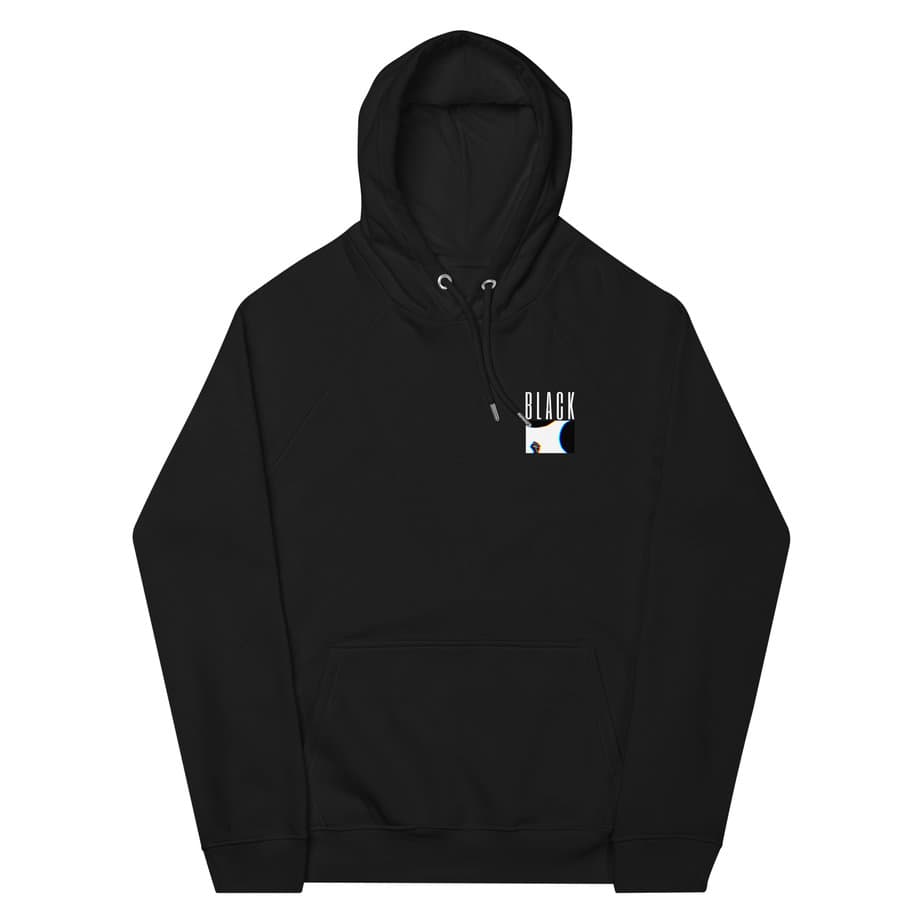

To choose an activism apparel message, make sure you can explain the words in plain language, identify who or what they concern, and name one action you take beyond wearing them. Then check whether the design, garment details, and setting support the message rather than turning it into decoration.
A shirt can open a conversation, signal solidarity, or remind you of a commitment. It cannot prove your politics, replace organising, or make a complicated issue fit neatly between two seams. That limit does not make message clothing useless. It makes careful choice more important.

Translate the slogan into a complete thought
Before judging typeface or colour, write what the message means in one or two sentences. Who is being asked to act? What change is supported? Is the phrase descriptive, aspirational, confrontational, historical, satirical, or tied to a current campaign?
If you cannot answer without guessing, research the phrase. Look for the people, movement, organisation, or event connected to it. Use primary statements and established human-rights or civic sources where possible. The United Nations provides a broad human rights overview, while issue-specific questions should be checked with relevant communities and credible organisations working directly in that area.
The main ConsciousBuzz activism guide treats activism as informed, constructive action rather than an aesthetic. Start there when you need the broader relationship between conscience, participation, and clothing.
Check whether the message belongs to a living campaign
Some phrases are general values. Others have a specific origin, legal context, community, tragedy, or campaign strategy. Search the exact wording, trace its use, and notice whether organisers provide guidance about who should use it and how.
Do not remove a phrase from its history because the shortened version looks better. Do not combine symbols from unrelated movements into a mood board of borrowed urgency. If a community asks supporters to amplify particular language, centre their wording rather than improving it into something less precise.
Campaign organisations often publish actions alongside messages. Amnesty International’s action resources illustrate the practical pattern: learn about an issue, take a defined action, and communicate with purpose. A garment makes more sense when it points toward that kind of participation.
Imagine the conversation the garment may start
Ask what a curious person, a sceptic, and someone directly affected might hear. Are you ready to listen as well as explain? Could the wording expose another person, inflame a tense workplace, or reduce lived experience to a clever line?
Context changes the decision. A public march, classroom, workplace, worship space, family gathering, and private social event have different norms and power relationships. Check written rules and safety requirements. Personal conviction does not cancel protective equipment, uniform policy, safeguarding, or another community’s boundaries.
You do not need a perfect answer to every objection. You do need enough understanding to avoid spreading false information or treating another person’s life as your accessory.
Test the design for readability and tone
Read the message at the distance where other people will encounter it. Tiny script may be private; large block letters are public. Distressed type can suggest urgency, history, fashion, or damage depending on context. Colour combinations may carry cultural and political meanings that vary across places.
Check punctuation and line breaks. A missing word or awkward wrap can reverse meaning. Look at a product photo on a body when available: folds, jackets, bags, and cropping may hide crucial words. A slogan that only makes sense when the wearer stands perfectly still is an ambitious piece of choreography.
The focused activist clothing guide can help with the practical relationship between statement, fit, setting, and repeat wear.
Audit the garment as closely as the slogan
Read the product page for material composition, measurements, care, print placement, production model, fulfilment information where stated, returns, and colour variation. If the message is clear but the product information is foggy, ask questions or choose a seller that provides better detail.
Print-on-demand can reduce overproduction and unsold inventory waste by producing after an order. Materials, inks, packaging, energy, transport, and fulfilment still vary. Do not turn one production choice into a universal environmental halo.
Think about repeat wear. Can the garment work at an ordinary meeting, on public transport, under a jacket, and after ten washes? A message you support should not require ignoring fit, comfort, or care. Buying less and wearing thoughtfully can be more consistent than collecting every new slogan.
Pair the message with one proportionate action
Choose an action connected to the issue: read a primary resource, contact an elected representative where appropriate, donate to a credible organisation, attend a lawful meeting, volunteer, support affected people, improve an institutional policy, or learn how a local campaign wants allies to help.
The action should fit your time, safety, role, and knowledge. It need not be dramatic. Repeatable participation usually matters more than a single public performance.
For readers connecting inner values with public responsibility, the guide to spiritual activism and positive action explores how reflection can support disciplined, nonviolent action without making spirituality a substitute for evidence or accountability.
Use a five-question message audit
Before buying or wearing the piece, ask:
1. Can I explain the message accurately in two sentences? 2. Have I checked its origin and current context? 3. Would people directly affected recognise this as support rather than spectacle? 4. Are the product details clear enough for an informed purchase? 5. What useful action sits behind the statement?
A “no” does not always mean abandon the garment. It may mean research, ask, wait, or choose a clearer message. Pausing is not apathy. Sometimes it is the first evidence that you take the words seriously.
Respond well when somebody challenges the message
Wearing public words means another person may interpret them differently or know something you missed. Listen before defending the purchase. Ask what part concerns them, separate factual correction from personal taste, and check the claim again after the conversation.
If you were wrong, acknowledge it plainly. You can stop wearing the garment, cover or alter the message where appropriate, contact the seller, and change the action attached to it. Accountability is not humiliation. It is how public values remain connected to learning.
Not every confrontation is safe or constructive. You are not required to debate a hostile stranger, disclose personal information, or remain in danger to prove commitment. Leave, seek help, or follow event and workplace safety procedures when needed. Responsible expression includes judgement about when a conversation can actually help.
Care for the garment and retire it thoughtfully
Follow the care label, wash only as needed, repair small damage, and store the piece so the print remains legible. If the campaign ends or the wording changes meaning, review whether the garment still communicates what you intend.
Do not automatically donate a misleading or harmful slogan and pass the problem to somebody else. Depending on the fabric and print, you may be able to patch it, use it privately, repurpose the material, or follow a suitable textile-recycling route. If the message remains accurate but the garment no longer fits, explain its context when passing it on.
Photographing every wear is unnecessary. The point is not to build an archive proving that you cared. Keep the item useful, keep the information current, and let the action behind it remain larger than the outfit.
Your next step
Select one message you are considering. Trace its origin, read one primary or community source, and write the meaning in your own words. Check the product page, imagine three real wearing contexts, and choose one practical action connected to the issue.
If the words, context, garment, and action align, explore relevant activism apparel with that checklist beside you. Buy because the piece has a durable role in your wardrobe and your values—not because a slogan temporarily made the checkout button feel like civic participation.
The strongest message is not necessarily the loudest. It is the one you understand, wear responsibly, and continue to act on after the laundry is folded.