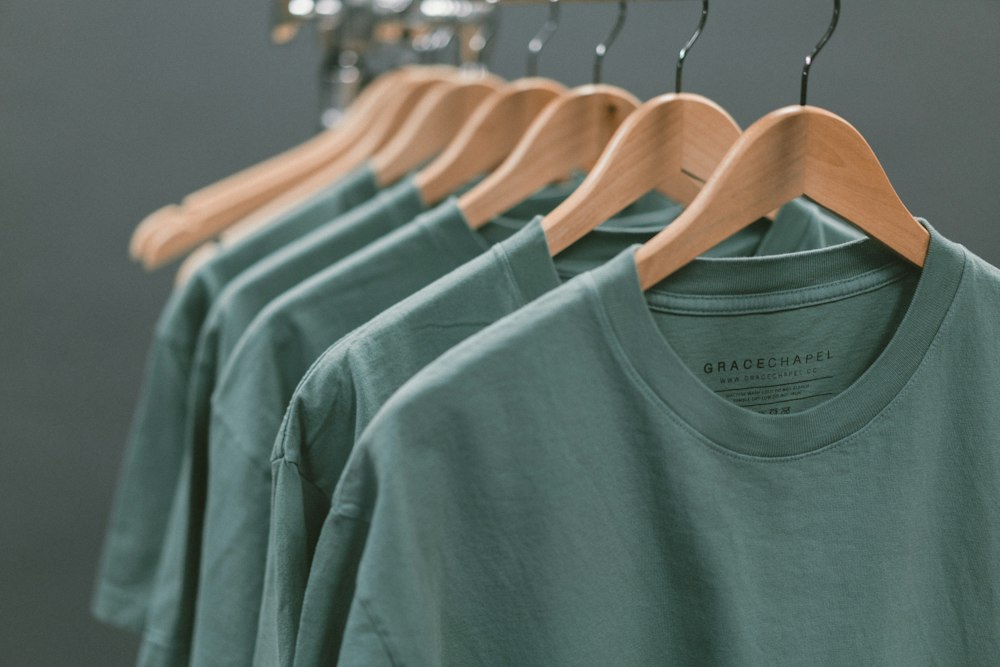

Activism apparel is a simple idea: use clothing to express values.
But “simple” doesn’t mean “easy.”
Because message clothing can:
- help someone feel seen
- start a conversation
- signal solidarity
…and it can also:
- flatten complex issues into slogans
- escalate conflict when you’re trying to build understanding
- become performative (even when you didn’t mean it that way)
So let’s keep this grounded.
If you’re searching for activism apparel, this is a practical guide to what it is, what it isn’t, and how to wear your values in a way that’s constructive and non-harmful.
Quick answer: what counts as activism apparel?
Activism apparel is clothing designed to express, support, or advocate for:
- a social value (dignity, freedom, compassion)
- a cause (human rights, climate action, community care)
- a movement or community
It can be a t‑shirt, hoodie, hat, tote — anything wearable.
What makes it “activism” isn’t the item. It’s the message + intention + context.
Common types of activism apparel (and what they’re good for)
Not all activism apparel is doing the same job.
Values-first apparel
Examples: dignity, freedom, compassion, courage.
Good for: messages that age well and stay constructive.
Cause-support apparel
Examples: community mutual aid, climate action, human rights.
Good for: linking your message to a specific cause — especially if it connects to real-world support.
Event or community apparel
Examples: community group hoodies, fundraiser shirts, local initiatives.
Good for: belonging and real community identity.
Beginner rule: if you’re new to message clothing, start with values-first. It’s usually the safest and most wearable.
What activism apparel is (at its best)
At its best, activism apparel can be:
1) A reminder to act
Not just “I believe in good things,” but: “I want to live this value.”
2) A signal of solidarity
Sometimes people need to know they’re not alone. Clothing can quietly say: “I’m with you.”
3) A conversation starter (when you have the energy)
Not every day is a debate day. But sometimes a shirt opens a door to real dialogue.
What activism apparel is NOT (if you want it to be helpful)
Not a substitute for action
Clothing can support action. It can’t replace action.
Not a weapon
If the message is designed to humiliate, dehumanize, or escalate harm, it’s not “bold activism.” It’s harm in fabric form.
Not a personality upgrade
You don’t become a better person because your hoodie has the right words. It’s what you do that matters.
How to choose messages responsibly (a checklist)
Ask:
1) Is this message constructive?
Does it invite dignity and change, or only outrage?
2) Is it specific enough to be meaningful?
Vague slogans can feel empty. Overly specific slogans can age badly.
Aim for messages that still make sense in six months.
3) Does it dehumanize anyone?
If a message relies on cruelty, it’s a no.
4) Would I wear this around people I love who disagree with me?
This question helps you choose messages that are firm without being hateful.
You can be clear and kind at the same time.
What to avoid (if you want your clothing to be helpful)
Avoid messages that:
- dehumanize or mock people
- glorify violence or harm
- reduce complex issues to “gotcha” slogans
- invite conflict when you actually want understanding
If your goal is to build a better world, your clothing should support that goal.
“Edgy” is not the same thing as effective.
Wearing your values without being performative (practical moves)
“Performative” usually means: the clothing becomes the whole story.
If you want to keep it real:
- pair message clothing with a small action (donate, volunteer, learn, show up locally)
- choose messages you live, not just messages you like
- be willing to listen when someone says, “That landed weird.”
And remember: you don’t have to explain your whole worldview to strangers in public. You’re allowed to exist peacefully in your values.
Scripts for real life (when someone comments on your shirt)
You don’t owe strangers a full debate.
Here are calm scripts that keep your nervous system intact:
- “Yeah, it’s a value I care about.”
- “I’m not here to argue, but I’m happy to share why it matters to me.”
- “I hear you. I’m keeping it respectful.”
- “Not today — I’m just out running errands.”
And if someone is aggressive: you can exit. Leaving is a valid boundary.
If someone says your message hurt them
This is uncomfortable, but it’s part of being responsible.
If someone says a message landed as harmful:
- take a breath
- listen before defending
- ask one clarifying question (“What part felt harmful?”)
- decide what you’ll do next (change how you wear it, learn more, choose different messages)
You don’t have to collapse into shame. You also don’t have to double down.
How to style activism apparel so it feels human (not like a billboard)
Easy styling formulas:
- statement tee + simple jeans
- hoodie + neutral bottoms
- message piece + one calm layer (overshirt/jacket)
If your outfit feels like “too much,” simplify everything else. Let the message be one element, not the entire costume.
Pairing apparel with action (small actions count)
If you want your message clothing to feel grounded, pair it with one small habit:
- donate monthly to a cause you trust (even a small amount)
- volunteer locally once a month
- learn the basics of a topic before arguing about it
- check in on people in your community
- vote in local elections (quietly powerful)
The point isn’t to “prove” you’re a good person. It’s to make your values real in the world.
If you want one tiny habit that compounds: pick a local cause and support it monthly, even with a small amount. Consistency beats grand gestures.
Another tiny habit: keep one “action link” saved on your phone (a community group, mutual aid fund, or volunteer signup). Then when someone asks “what can I do?”, you have a real answer.
If you want to be values-led without escalating conflict
Some days you want to express values and keep the day peaceful.
Good “low-conflict” message directions:
- values language (dignity, freedom, compassion)
- unity/collective care language (community, protect, support)
- reminders to act (vote, help, listen, learn)
Avoid messages that read like insults or “dunks.” If your goal is change, respect tends to travel farther than humiliation.
Where ConsciousBuzz fits
ConsciousBuzz aims to approach activism through a constructive, values-led lens — message clothing that supports positive change without promoting harm.
If you’re exploring activism apparel, you can browse pieces that align with your values, then pair what you wear with real-life habits that actually help: community care, volunteering, conversations, learning, and showing up consistently.
FAQ
“Is it okay to wear activism apparel if I’m still learning?”
Yes — learning is part of being responsible.
Just choose messages you understand and can stand behind, and stay open to feedback.
“What if someone thinks I’m being performative?”
You can’t control other people’s assumptions.
What you can control: your tone, your actions, and whether your message stays constructive.
“Should activism apparel be ‘neutral’?”
Not necessarily.
But if your goal is to reduce harm and build change, clarity + respect usually travels farther than insults.
Continue exploring ConsciousBuzz
A grounded way to use this guide
For Activism apparel: what it is, what it isn’t, and how to wear your values without being harmful, the important test is whether the message still feels responsible when it leaves the screen and enters real life. A shirt, hoodie, tote, or hat can carry courage, but it should not turn someone else’s pain into decoration. Read the words out loud. Imagine explaining them to a stranger who disagrees with you, and to a person who has lived closer to the issue than you have. If the message still sounds humane in both conversations, it is already doing better than the loudest thing in the room.
A practical choice around activism apparel starts with one value you can stand behind without needing a dramatic speech: dignity, freedom, compassion, solidarity, truth, repair, or community. Then look at the design with that value in mind. Does it invite a conversation or merely demand attention? Does the image support the message, or does it make the issue feel like costume? The strongest activism clothing often has enough restraint to let the wearer be thoughtful. It gives courage a clean sentence, not a megaphone with laundry instructions. That is why “Activism apparel: what it is, what it isn’t, and how to wear your values without being harmful” needs practical texture, not just a pleasant idea.
The purchase decision should also stay honest. Print-on-demand can reduce overproduction and unsold inventory waste because items are made after demand exists, but it is not a universal environmental guarantee. Materials, print durability, packaging, shipping distance, and how often you wear the piece still matter. For Activism apparel: what it is, what it isn’t, and how to wear your values without being harmful, that means the reader should look for clear product information and buy something they will actually repeat-wear. The most ethical garment in theory is less useful if it becomes closet decoration with sleeves.
One next step: choose one piece or message, then connect it to one action outside clothing. Read a reliable explainer, support a local group, share a constructive resource, check on someone affected, or practice speaking about the issue without turning people into enemies. Apparel can be a reminder. It cannot do the remembering for you, which is mildly inconvenient and also the whole point. That is why “Activism apparel: what it is, what it isn’t, and how to wear your values without being harmful” needs practical texture, not just a pleasant idea.
Final thought