

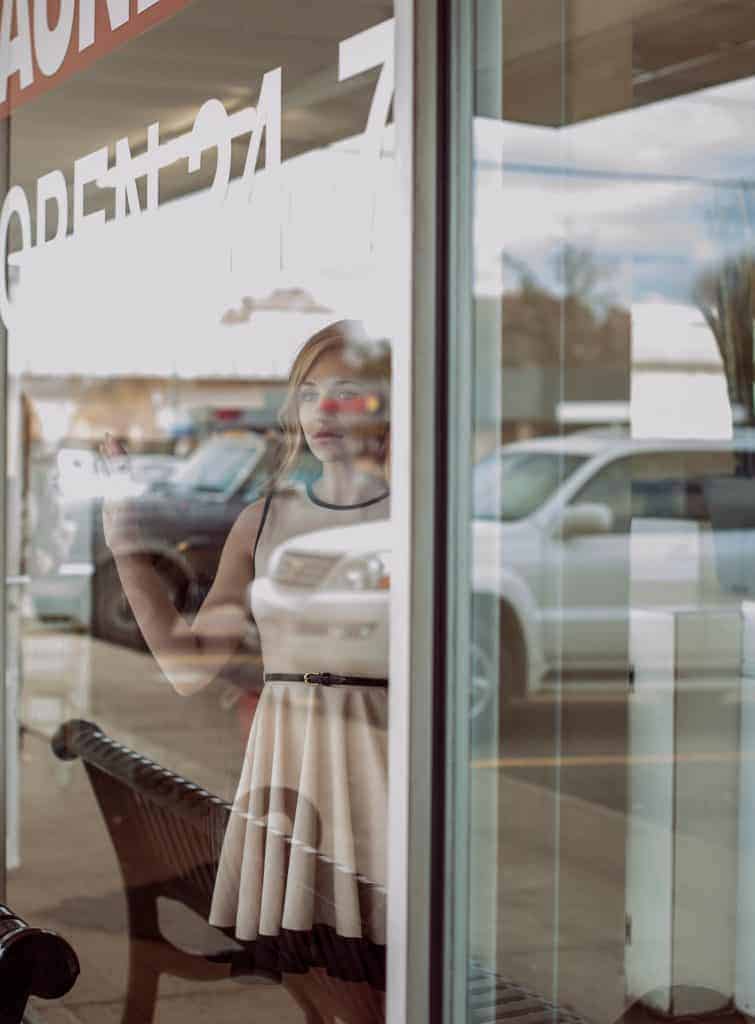
Thinking of something meaningful to do? Why not spend time with a sad friend and be sad together?
Sadness is unpleasant but what if the belief system surrounding this can be tweaked? Yes, you read that right: be sad together. When you think of being sad you might conjure up feelings of pain, loss, or anger. Or you can picture things like moping around and feeling sorry for yourself. Not images that would make you think, “Gee, I sure am getting the most out of life.”
Actually, being sad can help you develop a sense of oneness with yourself and unity with those around you, leading to greater happiness and fulfilment. While it’s true that crying releases feel-good endorphins to help you cope with the pain of sadness, that’s not the only reason deep sorrow can help you feel whole inside. It might be the most human thing you’ve ever done.
Here are seven reasons to reach for the hanky and embrace sadness:
- It means your emotions are in working order.
- It encourages you to build relationships.
- Other people get sad, too.
- It can clarify what your heart and body have been asking for.
- It can make joy feel more honest when it returns.
- It can make you gentler with other people in hard moments.
- It’s especially good to pair with mindfulness
1. It means your emotions are in working order.
First things first, feeling sad is normal and healthy. As a human being living on planet Earth you’re supposed to feel a range of emotions, and sadness is part of that range. Living on either end of the spectrum can throw off the balance and get you involved in unhealthy thought patterns.
Don’t get down on yourself when you’re already feeling down. Know that it’s supposed to happen and won’t last forever.
2. It encourages you to build relationships.
Being sad might cause you to *gasp* tell people about your feelings, which *gasp* builds your connection with them. Being vulnerable is a tough thing to do since it involves putting away your pride and showing someone else the raw you–someone you might not even see very often.
With enough practice, you learn more about yourself and how connecting with others can help you attain a sense of oneness with yourself and them.
3. Other people get sad, too.
Nobody wants to admit they’re sad. It’s scary; we think it shows weakness or another undesirable trait. That is until we see someone else embrace vulnerability, nothing seems more relatable than seeing someone else be vulnerable.
People like to know when you’re sad because it permits them to let go and be sad too. If they’ve been bottling it in, then they might need that human connection and comfort that may come with it. The good responses you get might surprise you when you let them know you need that connection and comfort, too.
4. It makes you think about what you need.
Sometimes a good cry, tantrum, or all-out emotional crisis can be the brakes on life you need to start thinking about other options. Humans are wired for habit, meaning if we’re not careful, we can spend years being unhappy and thinking we’re powerless to change it.
Sadness can stop that spiral in its tracks. It can be the voice inside that says, “Something might not be right here; let’s take a closer look inside.” Don’t miss that chance by ignoring your emotions.
5. The sadder you feel, the happier you can feel.
Emotions are a spectrum, and you can think of happiness and sadness as on opposite ends. But that’s no excuse to live for one and avoid the other. It’s human to want to feel happiness without sadness, but not only is that impossible–it’s also a bad idea.
According to Time, it’s terrible news to neglect your emotions. The more you fight to avoid the “bad” emotions, like sadness, the less you fight for happiness. But if you know what it means to be sad, then you know how important it is to fight for your happiness. Otherwise, you risk getting stuck in an emotional limbo, where you don’t really feel sad but are not particularly happy either.
6. It lets you help other people when they are sad.
It’s weird to think, but not everyone actually knows how to feel sad. Think of a family member you’ve never seen cry–what’s going on there? Is that a sign that they’re emotionally strong, or do they need to ask for help but don’t know how?
Having extensive emotional knowledge can let you help someone who may be too afraid to ask. If they see that you’ve gone through something similar, they may feel comfortable opening up to you. And when you help other people, you become just a little more whole.
7. It’s especially good to pair with mindfulness.
What we talk about when we talk about our emotions is essentially the ability to observe them and see what’s really there without feeling angry, frustrated, annoyed, and the like. That way, we can make better decisions to deal with our emotions. Not surprisingly, this is also the basis of many mindfulness practices today.
Establishing a mindfulness practice where you can routinely get in touch with your emotions–sadness, happiness, anything–can give you the awareness you need to get to the bottom of why you really feel that way. Emotions can be deceptive, and we don’t always make the best choices in the heat of the moment. But if we get better at knowing what motivates us, we get closer to that oneness with ourselves we’re seeking.
Bottom Line
Don’t be shy if you’ve got emotions you need to get off your chest. Sadness isn’t a bad thing, and trying to avoid it can make things harder in the long run. Pay attention to your sadness and what it could really mean, and you might just learn how to pick yourself back up and connect with the important people in your life, find more of them, and find unity together. Thank you for coming this far. You may also like our blog on My Spiritual Wardrobe | A New kind Of Fashion.
That’s all for today. Stay Conscious, Stay United. Namaste 🙏🏾
Get your spiritual and activism apparel at www.consciousbuzz.com 🐝🧘🏿♀️👊
Like, Comment, Share & Subscribe @consciousbuzz on Instagram, Pinterest & Facebook. Join our Facebook group.
For related reading, visit the spiritual clothing guide activism apparel collection conscious wardrobe guide. These pieces connect the article’s idea to practical clothing, activism, and daily spiritual expression.