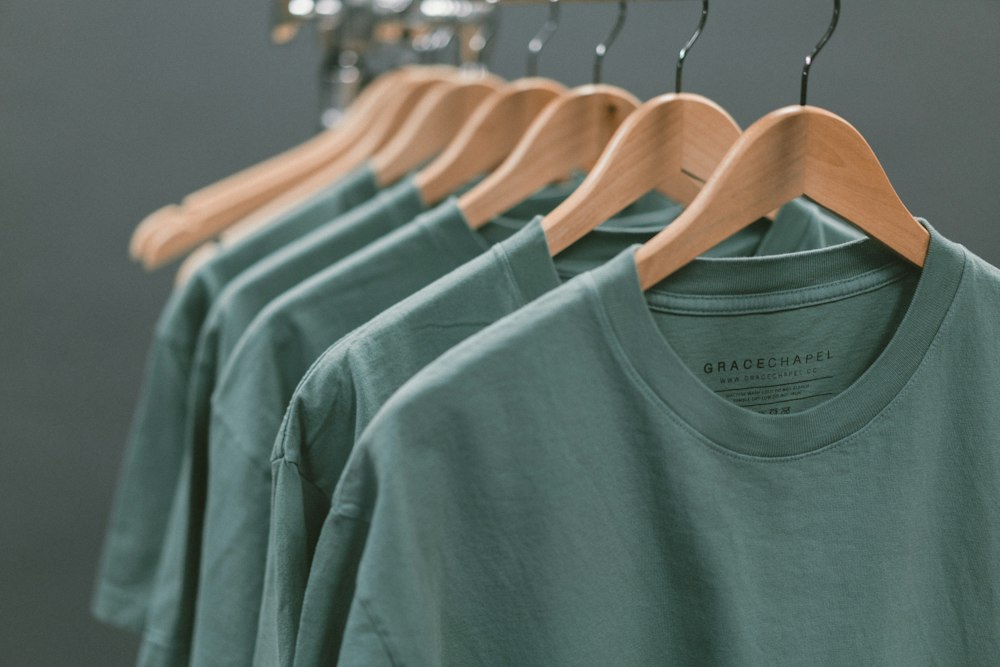

Buying an eco-friendly activist t-shirt sounds simple:
You want a message you believe in… on a shirt that doesn’t fall apart… made in a way that doesn’t contradict the values printed on it.
But “eco-friendly” can be vague, and activist messaging can be everywhere.
So if you’re searching eco friendly activist t shirts, you’re probably asking:
> What should I actually look for so I don’t get greenwashed?
This guide gives you a practical checklist: fabric choices, printing methods, durability signals, care tips, and questions to ask so your values survive more than one wash cycle.
Quick answer: what makes an activist t-shirt more eco-friendly?
A more responsible activist t-shirt usually means:
- a shirt you’ll actually wear repeatedly
- decent build quality (less replacement)
- transparent material composition
- responsible messaging (no harm, no misinformation)
- honest production claims (no “saves the planet” fantasy)
It’s not one magical label. It’s a combination of practical choices.
Step 1: Start with the lowest-waste move—repeat-wear
The most important question:
> Will I wear this 30+ times?
If the message is so intense you’ll only wear it once, it’s not doing much good in real life.
Eco-friendly is not just how a shirt is made. It’s how long it stays in your real wardrobe rotation.
Step 2: Fabric basics (what the labels actually mean)
Cotton (common, quality varies)
Cotton can be comfortable and durable, but check:
- thickness/weight
- stitching quality
- shrink potential (care instructions matter)
Organic cotton (often a good sign, but still check construction)
Organic cotton can reduce some agricultural chemical inputs. But “organic” doesn’t automatically mean “durable.”
You still want:
- solid construction
- repeat-wear comfort
Recycled blends (practical but not a universal win)
Recycled polyester blends can be durable and useful, but:
- comfort varies
- claims vary
Choose what fits your life and what you’ll actually wear.
If your skin hates it, you won’t repeat it.
Step 3: Printing methods (durability is part of eco)
Common printing methods include:
- screen printing
- direct-to-garment (DTG)
- embroidery (less common on tees, but possible)
- heat transfers
Whatever method is used, care matters:
- wash inside-out
- avoid high heat when possible
- don’t over-wash when a spot clean works
The message can’t change anything if it cracks off the shirt in two months.
Step 4: Greenwashing language to watch
Be cautious with phrases like:
- “eco-friendly”
- “sustainable”
- “ethical”
Those words can be true… or just vibes.
Look for specifics:
- fabric composition listed clearly
- care instructions
- realistic claims
- transparency about where/how it’s made (when available)
If a brand uses made-to-order or print-on-demand, the honest framing is:
- it can reduce overproduction and unsold inventory waste
- while materials and fulfillment details can vary by product and provider
Honesty beats hype.
Step 5: A quick durability checklist (before you buy)
Look for:
- clear sizing info (so you don’t buy something that doesn’t fit and never gets worn)
- strong-looking collar and seams
- fabric that doesn’t look see-through
- print placement that seems intentional (not “sticker slapped on”)
If reviews mention:
- shrinking
- collar stretching
- print cracking
…take that seriously.
Step 6: Message quality matters too
A lower-waste shirt with harmful or dehumanizing messaging is not aligned.
Look for messages that are:
- constructive
- accurate
- grounded in dignity and community
Avoid messaging that encourages harm, harassment, or misinformation.
Activism should reduce harm—not multiply it.
Step 7: Care tips (so your activist tee stays wearable)
Simple habits:
- wash inside-out
- use cooler water when possible
- avoid high heat drying (or use low heat)
- don’t iron directly on prints
If you want your tee to become “that one favorite,” treat it like it matters.
Step 8: What to ask a brand (or check on the product page)
You don’t need to interrogate anyone. But it’s reasonable to look for:
- material composition
- care instructions
- printing method (when shared)
- exchange/return policy
Clarity supports conscious buying.
Labels and certifications (helpful, but not magic)
You’ll sometimes see labels or certification language used as shortcuts. They can be useful, but they don’t replace common sense.
Practical ways to use labels:
- Look for clear material composition first. If the fabric isn’t listed, the “eco” claim is hard to evaluate.
- Treat certifications as one data point alongside durability, fit, and transparency.
- Be cautious of “eco” claims that are loud while product details are missing.
If you can’t verify specifics, choose what you can verify: repeat-wear comfort and build quality.
Fit and sizing (the hidden sustainability lever)
An eco-friendly shirt that doesn’t fit becomes “closet décor.” A few simple moves help:
- check size charts (especially for unisex fits)
- choose relaxed fits when you’re between sizes
- prioritize exchange-friendly policies when you’re unsure
The lowest-waste tee is usually the one you actually wear weekly.
Low-waste doesn’t mean “no impact”
Some brands use made-to-order or print-on-demand to reduce overproduction. That can be a real benefit—but it’s not automatically perfect.
The honest framing:
- made-to-order can reduce unsold inventory waste
- material choices and fulfillment details still vary by product/provider
If a brand claims “zero impact,” be skeptical. Responsible brands usually communicate with nuance instead of absolutes.
Secondhand, swaps, and “buy less” activism (quiet but real)
If your goal is lower impact, buying secondhand is often the simplest move:
- you keep a garment in use longer
- you avoid new production for that piece
- you can test what fits your style before buying new
You can also do clothing swaps with friends or community groups. It’s surprisingly satisfying to “shop” without buying anything new—and it often feels more aligned with activism values than constant consumption.
The honest lower-waste checklist
Treat “eco-friendly” as a question, not a trophy. A better activist tee should pass several small checks at once: a message you would wear again, fabric that feels good enough for repeat use, printing that does not crack immediately, care instructions you can actually follow, and a brand that explains its claims clearly.
Print-on-demand can help reduce overproduction and unsold inventory waste because items are made when ordered instead of sitting in piles of speculative stock. That is a real advantage, but it does not make every product automatically planet-perfect. Materials, shipping, packaging, print durability, and how often the shirt gets worn still matter.
So the most honest buying question is not “Is this magically eco-friendly?” It is: “Is this a lower-waste, longer-lasting, better-explained choice than the easy alternative?” That answer is slower, but it is also more useful than marketing fog.
Where ConsciousBuzz fits (lightly)
If you want more guidance on activism apparel and making pieces last, explore:
Your values shouldn’t disappear after laundry day.
FAQ
Are organic cotton activist t-shirts always eco-friendly?
Organic cotton can be a good option, but eco-friendliness also depends on durability, construction, how often you wear it, and the honesty of production claims.
What printing method lasts the longest?
Screen printing is often very durable when done well. DTG can also last well, especially with good care. Washing habits make a big difference.
What’s the most eco-friendly choice I can make?
Buy less, choose a shirt you’ll repeat-wear, and care for it so it lasts. Longevity is often the biggest practical sustainability lever.
Is print-on-demand automatically eco-friendly?
Not automatically. Made-to-order can reduce overproduction and unsold inventory waste, which is a real benefit. But materials and fulfillment details still vary by product and provider, and shipping/packaging still exist. The best approach is to choose something you’ll repeat-wear and to look for clear material and care information.
Should I buy new or secondhand?
If you can find something you love secondhand, it’s often the lowest-impact option because you’re extending the life of an existing garment. If you buy new, prioritize comfort, durability, and repeat-wear—and treat “eco-friendly” claims as something to verify through specifics (materials, care, and transparent info), not as a vibe.
If it won’t become a weekly favorite, it’s probably not the right “conscious” purchase—no matter what the product page says.
Reader checklist before you act
Use Eco-friendly activist t-shirts: a practical checklist for lower-waste, longer-lasting choices as a small checklist, not a pressure campaign. First, ask whether the message or symbol is something you understand well enough to explain simply. Second, check whether the product details are specific enough to trust: material notes, fit guidance, print method where available, and care instructions. Third, imagine wearing the piece ten times, not once. Repeat wear is where meaning becomes part of daily life instead of a one-day mood.
For activism apparel, the best choice is usually the one that balances feeling and clarity. You want enough emotion to care, but enough restraint to avoid turning the item into a performance. If the message is spiritual, let it support practice. If the message is activist, let it support constructive public conscience. If the message tries to do everything at once, pause. Clothing has limited space, and so does the human nervous system. That is why “Eco-friendly activist t-shirts: a practical checklist for lower-waste, longer-lasting choices” needs practical texture, not just a pleasant idea.
A good final move is to pair the piece with one grounded habit. Wear it on a day when you want to remember your values, then do one related thing: read, reflect, volunteer, rest, repair, donate, learn, forgive, or speak with more care. That is how apparel becomes more than a graphic. It becomes a reminder attached to behaviour, and behaviour is where the real story lives. That is why “Eco-friendly activist t-shirts: a practical checklist for lower-waste, longer-lasting choices” needs practical texture, not just a pleasant idea.
Final thought
The best approach to eco friendly activist t shirts is not to hunt for the perfect group. Start with one clear, beginner-friendly option, notice how it feels, and repeat the parts that make you want to come back. Real community usually begins with a small plan that is easy enough to do again.